
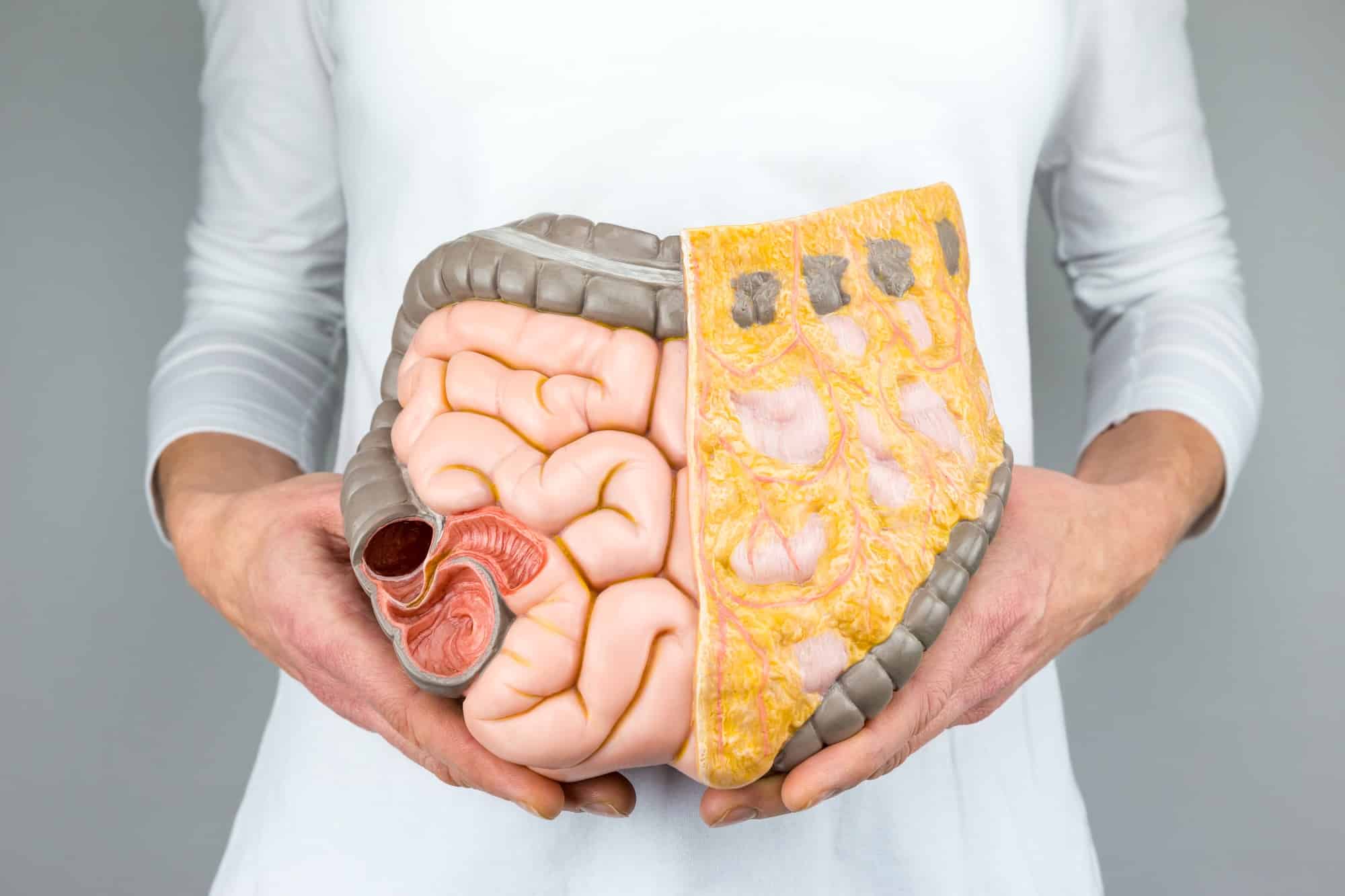
In recent years, scientists have uncovered a fascinating and powerful link between gut health and mental health. This connection, known as the gut-brain axis, highlights how the health of your gut microbiome—trillions of bacteria, viruses, and fungi living in your digestive tract—can influence mood, cognition, and even mental health disorders such as anxiety, depression, and ADHD.
The idea that gut health affects the brain was once dismissed as fringe science. However, growing research now confirms that the gut microbiome plays a crucial role in regulating brain function through the production of neurotransmitters, inflammation control, and the immune system. In fact, over 90% of serotonin (the “feel-good” hormone) is produced in the gut, not the brain.
Understanding and supporting gut health through diet and lifestyle can improve mental well-being, emotional balance, and cognitive function. In this article, we’ll explore:
- The gut-brain connection and how it works
- The impact of gut health on mood disorders and ADHD
- The role of probiotics, prebiotics, and fermented foods
- Practical dietary tips and gut-friendly recipes
What Is the Gut-Brain Connection?
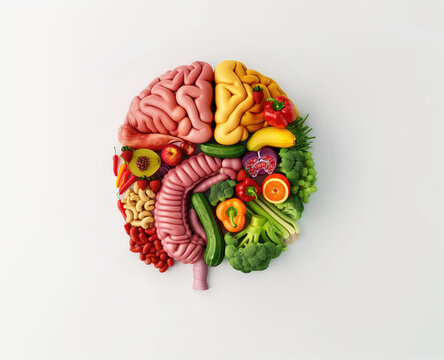
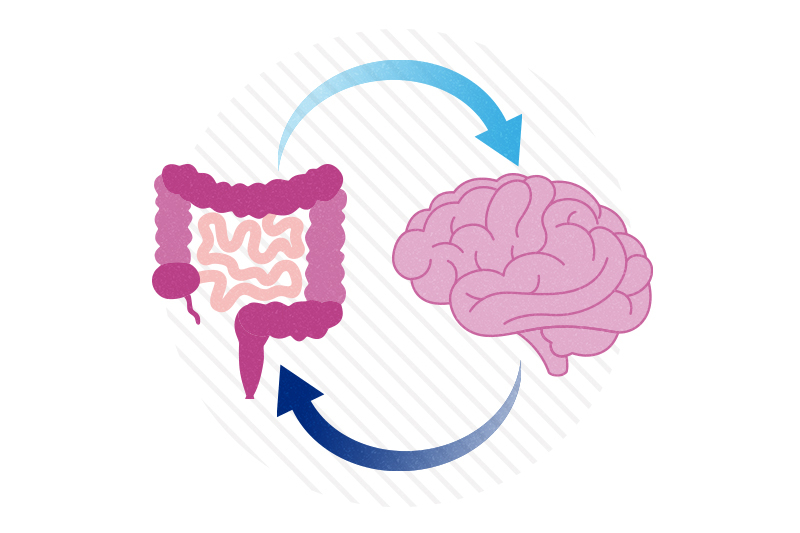
The gut-brain connection refers to the bidirectional communication between the gastrointestinal (GI) tract and the central nervous system (CNS). The gut and brain are connected physically and chemically through:
The Vagus Nerve
The vagus nerve is the longest cranial nerve in the body, connecting the brainstem to the digestive tract. It allows signals to flow both ways—signals from the gut can influence brain activity, and stress or emotional states can alter gut function.
Example: Stress can trigger digestive issues like irritable bowel syndrome (IBS), while poor gut health can increase symptoms of anxiety and depression.
The Enteric Nervous System (ENS)
The gut has its own nervous system, known as the enteric nervous system (ENS), sometimes called the “second brain.” It contains over 500 million neurons that regulate digestion and communicate with the brain through the vagus nerve and chemical signals.
Example: Feeling “butterflies” in your stomach before a big event is a direct result of this gut-brain interaction.
Gut Microbiota and Neurotransmitters
Gut bacteria produce neurotransmitters such as:
- Serotonin – Regulates mood and sleep
- Dopamine – Governs motivation and reward
- Gamma-aminobutyric acid (GABA) – Reduces anxiety and promotes relaxation
A balanced gut microbiome supports optimal production of these chemicals, influencing mood and emotional stability.
How Gut Health Affects Mental Health
An imbalance in gut bacteria (dysbiosis) can trigger inflammation and disrupt neurotransmitter production, increasing the risk of mental health issues.
Depression and Anxiety
Research shows that gut health is closely tied to emotional regulation and mood disorders.
- A 2019 meta-analysis in Translational Psychiatry found that individuals with depression had significantly lower levels of certain beneficial gut bacteria, such as Lactobacillus and Bifidobacterium.
- Increased gut permeability (leaky gut) allows inflammatory molecules to enter the bloodstream, which can cross the blood-brain barrier and contribute to mood disturbances.
Key Mechanism: Chronic inflammation from poor gut health may impair serotonin production and increase cortisol (stress hormone) levels, contributing to low mood and anxiety.
ADHD and Cognitive Function
Emerging research suggests that gut health may influence attention and hyperactivity disorders.
A 2020 study in Nutrients found that children with ADHD had a different composition of gut bacteria compared to neurotypical children, including reduced diversity and fewer beneficial strains.
Dysbiosis can disrupt the production of dopamine and norepinephrine—neurotransmitters involved in focus and impulse control.
Key Mechanism: Poor gut health can impair cognitive function by increasing inflammation and disrupting neurotransmitter balance.
Stress and Emotional Resilience
The gut microbiome helps regulate the hypothalamic-pituitary-adrenal (HPA) axis, which controls the body’s stress response.
- A study in Psychoneuroendocrinology (2018) found that probiotic supplementation reduced cortisol levels and improved stress resilience.
- Balanced gut bacteria enhance the brain’s ability to cope with stress and maintain emotional balance.
Key Mechanism: A healthy gut reduces inflammation and enhances GABA production, calming the nervous system.
Probiotics, Prebiotics, and Fermented Foods
Supporting gut health involves nourishing the microbiome with beneficial bacteria (probiotics) and the fibers they thrive on (prebiotics).
Probiotics (Beneficial Bacteria)
Probiotics are live bacteria that improve gut health when consumed in adequate amounts. They help balance the gut microbiome and enhance mental health by increasing serotonin and dopamine production.
Best Sources of Probiotics:
- Yogurt (with live cultures)
- Kefir
- Sauerkraut
- Kimchi
- Miso
- Pickles (naturally fermented)
Prebiotics (Fiber That Feeds Probiotics)
Prebiotics are non-digestible fibers that promote the growth of beneficial gut bacteria. They help probiotics thrive and improve overall gut health.
Best Sources of Prebiotics:
- Garlic
- Onions
- Leeks
- Asparagus
- Bananas
- Chicory root
- Whole grains (oats, barley)
Fermented Foods
Fermented foods are rich in probiotics and also contain beneficial enzymes and organic acids that support digestion and nutrient absorption.
Best Sources of Fermented Foods:
- Kombucha
- Tempeh
- Natto
- Fermented vegetables (beets, carrots, radishes)
Recipes for a Gut-Friendly Diet
Here are some easy, gut-friendly recipes designed to improve both gut and mental health:
Gut-Healing Kefir Smoothie
Ingredients:
- 1 cup kefir (unsweetened)
- 1 banana (prebiotic)
- 1 tablespoon chia seeds (fiber)
- ½ cup spinach
- 1 teaspoon honey (optional)
Instructions:
- Blend all ingredients until smooth.
- Enjoy as a breakfast or snack.
Fermented Kimchi and Avocado Bowl
Ingredients:
- 1 cup cooked brown rice (prebiotic)
- ½ cup kimchi (probiotic)
- 1 avocado (healthy fats)
- 1 tablespoon sesame seeds
- 1 teaspoon soy sauce
Instructions:
- Assemble the ingredients in a bowl.
- Drizzle with soy sauce and sprinkle with sesame seeds.
Miso and Mushroom Soup
Ingredients:
- 4 cups vegetable broth
- 2 tablespoons miso paste (probiotic)
- 1 cup sliced mushrooms
- 1 cup spinach
- 1 green onion, chopped
Instructions:
- Heat the broth and mushrooms until simmering.
- Stir in miso paste and spinach.
- Cook for 5 minutes, then garnish with green onion.
FAQs
How long does it take to improve gut health?
It typically takes 2–4 weeks of consistent dietary changes to notice improvements in gut health and mood.
Can probiotics help with depression?
Yes. Studies show that probiotic strains like Lactobacillus and Bifidobacterium can improve symptoms of depression and anxiety.
Can poor gut health cause brain fog?
Yes. Dysbiosis and leaky gut can increase inflammation, impairing cognitive function and mental clarity.
Conclusion
The gut-brain connection underscores the importance of gut health for mental well-being. By incorporating probiotic-rich foods, feeding beneficial bacteria with prebiotics, and reducing inflammation through a gut-friendly diet, you can enhance mood, reduce anxiety, and improve focus. A balanced microbiome may hold the key to better mental health and emotional resilience.