

Chronic inflammation is often dubbed the “silent killer” because it lurks beneath the surface, contributing to 50% of global de@ths from conditions like heart disease, diabetes, and cancer (Harvard Medical School). Unlike acute inflammation—a short-term immune response to injury or infection—chronic inflammation persists for months or years, damaging tissues and organs. This article explores the root causes of chronic inflammation, its links to deadly diseases, and evidence-based strategies to combat it naturally.
What Is Chronic Inflammation?

Inflammation is the body’s defense mechanism against harm. However, when the immune system remains activated unnecessarily, it attacks healthy cells, leading to chronic inflammation. Key differences:
- Acute Inflammation: Short-term, localized (e.g., redness from a cut).
- Chronic Inflammation: Systemic, persistent, and linked to cellular damage.
Root Causes of Chronic Inflammation
Diet: The Fuel for Fire
Modern diets high in processed foods, sugars, and unhealthy fats drive inflammation:
- Processed Foods: Packed with refined carbs and additives like emulsifiers, which disrupt gut bacteria and trigger inflammation (Nature, 2021).
- Sugar: Excess fructose and glucose increase inflammatory cytokines (IL-6, TNF-α) and promote insulin resistance (Journal of Endocrinology, 2018).
- Trans Fats: Found in fried foods and margarine, they raise LDL cholesterol and inflammatory markers (American Journal of Clinical Nutrition, 2019).
Chronic Stress: A Hormonal Trigger
Stress activates the hypothalamic-pituitary-adrenal (HPA) axis, releasing cortisol. Prolonged stress leads to:
- Cortisol Resistance: Cells stop responding to cortisol’s anti-inflammatory signals.
- Elevated Cytokines: Linked to anxiety and depression (Psychoneuroendocrinology, 2020).
Environmental Toxins: Hidden Aggressors
- Air Pollution: PM2.5 particles penetrate lungs, causing oxidative stress (Environmental Health Perspectives, 2022).
- Heavy Metals: Lead and mercury in contaminated water disrupt immune function.
- Alcohol and Smoking: Alcohol damages the gut lining, while smoking releases free radicals.
Diseases Linked to Chronic Inflammation
| Disease | Inflammation Cause |
|---|---|
| Heart Disease | Inflamed arteries promote plaque buildup (atherosclerosis). |
| Type 2 Diabetes | Fat tissue releases pro-inflammatory cytokines that impair insulin sensitivity. |
| Alzheimer’s | Chronic brain inflammation accelerates amyloid-beta plaque formation. |
| Autoimmune Disorders | Immune system attacks healthy cells (e.g., rheumatoid arthritis, lupus). |
Anti-Inflammatory Foods: Nature’s Medicine

Incorporate these science-backed foods to reduce inflammation:
Turmeric (Curcumin)
Why It Works: Curcumin blocks NF-kB, a molecule that activates inflammatory genes.
How to Use: Pair with black pepper to boost absorption (e.g., golden milk).
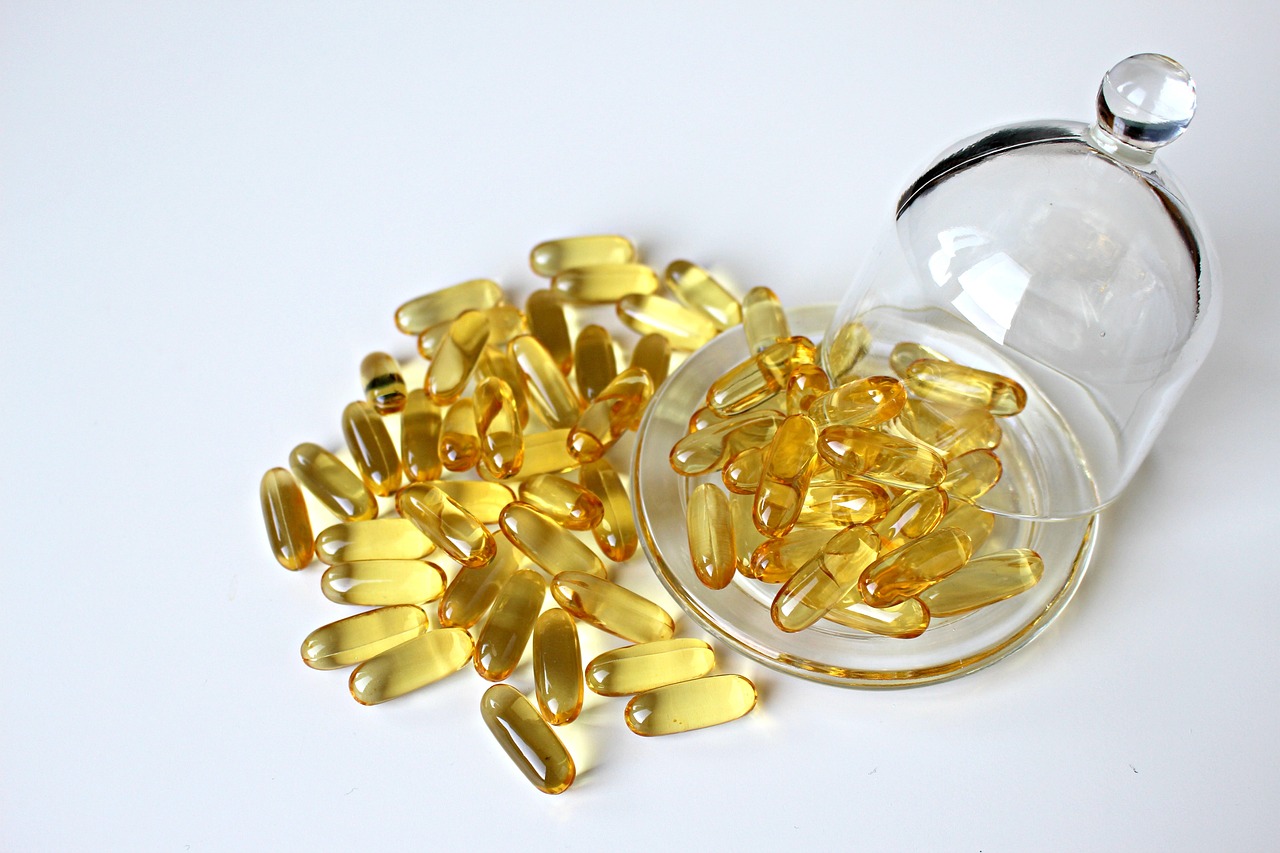
Omega-3 Fatty Acids
Sources: Fatty fish (salmon, mackerel), chia seeds, walnuts.
Benefits: Reduce production of inflammatory eicosanoids (Journal of the American College of Nutrition, 2020).
Leafy Greens and Berries
Spinach/Kale: Rich in antioxidants like quercetin.
Blueberries: Anthocyanins lower oxidative stress.
Extra Virgin Olive Oil
Contains oleocanthal, which mimics ibuprofen’s anti-inflammatory effects (Pharmaceuticals, 2021).
Lifestyle Changes to Quell Inflammation
Adopt an Anti-Inflammatory Diet
- Avoid: Processed meats, refined sugars, and vegetable oils.
- Embrace: Whole foods, fiber-rich plants, and fermented foods (kimchi, sauerkraut) for gut health.
Manage Stress Mindfully
- Techniques: Daily meditation, yoga, or deep breathing (4-7-8 method).
- Science: Mindfulness reduces CRP levels, a key inflammation marker (Psychosomatic Medicine, 2019).
Prioritize Sleep
- Goal: 7–9 hours nightly. Poor sleep elevates IL-6 and TNF-α.
- Tips: Keep bedrooms cool and dark; avoid screens before bed.
Exercise Regularly
- Sweet Spot: 30 minutes of moderate exercise (e.g., brisk walking) 5x/week.
- Why: Muscle contractions release anti-inflammatory myokines.
Debunking Myths About Anti-Inflammatory Supplements

Myth 1: “Collagen Supplements Cure Inflammation”
Truth: While collagen supports joint health, no strong evidence links it to reduced inflammation. Focus on whole-protein sources (bone broth, fish).
Myth 2: “Apple Cider Vinegar Detoxifies the Body”
Truth: ACV may aid digestion but lacks conclusive anti-inflammatory benefits. Overuse can erode tooth enamel.
Myth 3: “Mega-Dosing Vitamin C Prevents Chronic Disease”
Truth: Excess vitamin C is excreted. Obtain it from citrus fruits, bell peppers, and broccoli instead.
Myth 4: “All Supplements Are Regulated and Safe”
Reality: The FDA doesn’t vet supplements for efficacy. Choose third-party tested brands (USP, NSF).
FAQs
How do I test for chronic inflammation?
Blood tests for CRP (C-reactive protein) or ESR (erythrocyte sedimentation rate).
Can inflammation be reversed?
Yes! Diet and lifestyle changes can lower inflammation in 6–8 weeks (American Journal of Medicine, 2020).
Are NSAIDs (e.g., ibuprofen) safe for long-term use?
No—prolonged use increases gastrointestinal and cardiovascular risks.
Is all inflammation bad?
No—acute inflammation is protective. Chronic inflammation is the concern.
Do “anti-inflammatory” teas work?
Green tea (rich in EGCG) shows modest benefits, but don’t rely on teas alone.
Conclusion
Chronic inflammation is a stealthy driver of modern diseases, but its power can be dismantled through diet, stress management, and lifestyle shifts. Prioritize whole foods, move your body, and sleep deeply—your immune system will thank you. Always consult a healthcare provider before overhauling routines or adding supplements.