
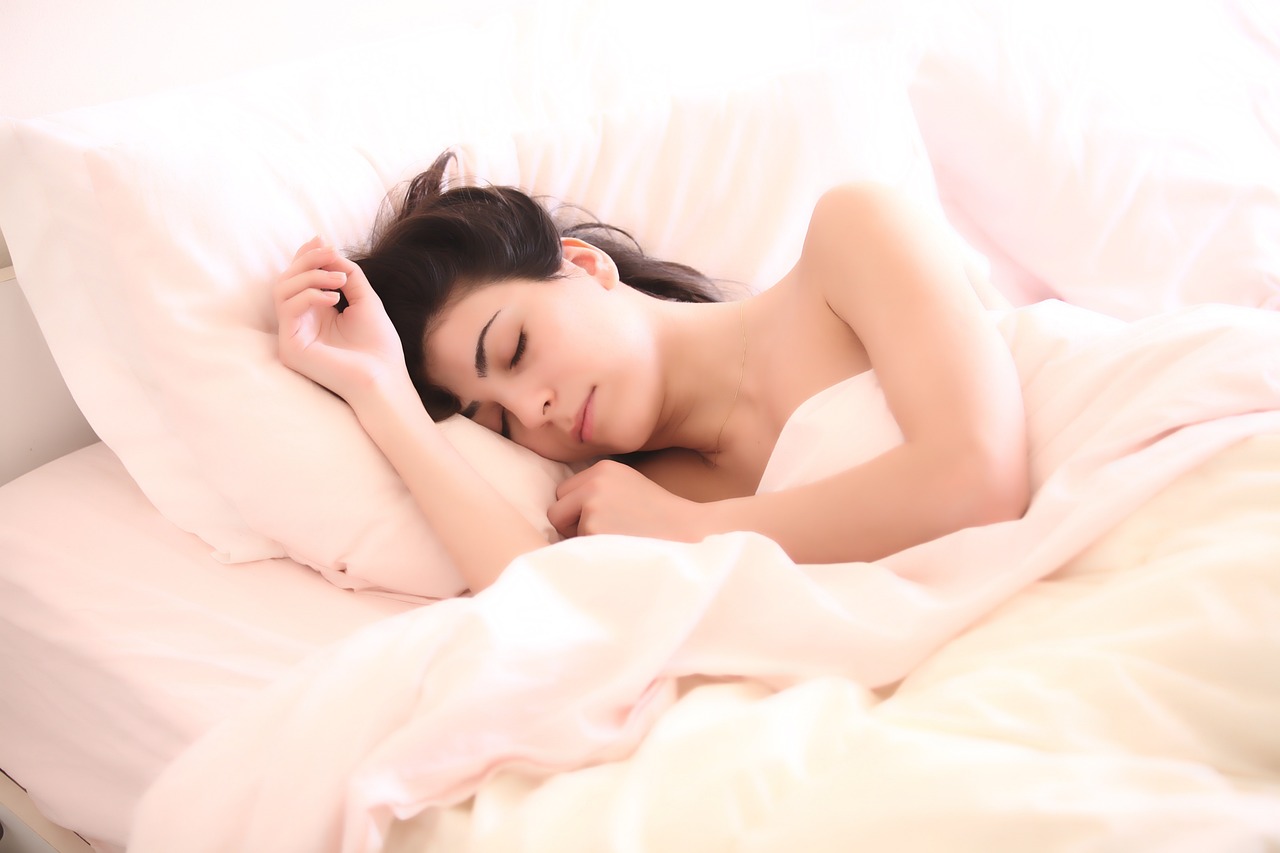
Sleep is the cornerstone of physical health, mental clarity, and emotional resilience. Yet, nearly one-third of adults report insufficient sleep, according to the CDC. Poor sleep hygiene—habits that disrupt natural sleep patterns—often lies at the root of this problem. This guide explores the science of sleep, actionable strategies for improvement, and tools to optimize your rest.
Understanding Circadian Rhythms: Your Body’s Internal Clock
Your circadian rhythm is a 24-hour biological cycle regulating sleep, hormone release, and body temperature. Governed by the suprachiasmatic nucleus in the brain, it responds primarily to light and darkness.
How Light Affects Sleep
- Morning Light: Exposure to natural light within 30 minutes of waking boosts alertness and aligns your circadian rhythm (National Sleep Foundation).
- Evening Darkness: Dimming lights signals melatonin production, the hormone that induces sleepiness.
Actionable Tips:
- Spend 10–15 minutes outside each morning.
- Use blackout curtains or a sleep mask to block artificial light at night.
Disruptions to circadian rhythms, such as shift work or jet lag, can lead to chronic sleep deprivation. A 2019 study in Sleep Medicine linked irregular sleep schedules to increased risks of obesity and diabetes.
Blue Light and Sleep: The Digital Dilemma
Electronic devices emit blue light, which suppresses melatonin production by up to 50% (Harvard Medical School). This delays sleep onset and reduces REM sleep, critical for memory consolidation.
Mitigating Blue Light Exposure
- Screen Curfews: Avoid screens 1–2 hours before bed.
- Blue Light Filters: Enable “Night Mode” on devices or use blue-light-blocking glasses.
- Alternatives: Opt for audiobooks or podcasts instead of TV.
A 2018 trial in the *Journal of Clinical Sleep Medicine* found participants using blue-light filters fell asleep 20% faster.
Common Sleep Disorders: When to Seek Help
While poor sleep hygiene is often reversible, underlying disorders may require medical intervention:
- Insomnia: Difficulty falling/staying asleep. Affects 10–15% of adults (American Academy of Sleep Medicine).
- Sleep Apnea: Interrupted breathing during sleep. Linked to heart disease if untreated.
- Restless Legs Syndrome (RLS): Urge to move legs, often disrupting sleep.
Actionable Advice:
- Track symptoms for 2 weeks and consult a sleep specialist if issues persist.
- Consider a sleep study (polysomnography) for apnea diagnosis.
Sleep Trackers: Pros and Cons
Wearables like Fitbit and Oura Ring monitor sleep stages (light, deep, REM) using heart rate and movement data.
Key Considerations:
- Accuracy: Consumer trackers are less precise than clinical tools but useful for identifying trends.
- Limitations: May overestimate sleep time in restless individuals (2019 study, Sleep Medicine Reviews).
Top Picks:
- Oura Ring: Tracks body temperature and recovery.
- Whoop: Focuses on sleep performance metrics.
Choosing the Right Mattress
A supportive mattress reduces back pain and improves sleep quality.
Mattress Types:
- Memory Foam: Contours to the body; ideal for side sleepers.
- Innerspring: Offers firm support; cools better than foam.
- Latex: Durable and hypoallergenic; moderate firmness.
Tips:
- Replace mattresses every 7–10 years.
- Look for certifications like CertiPUR-US® (low chemical emissions).
Relaxation Techniques for Better Sleep
Calming the mind and body prepares you for restorative sleep.
Evidence-Based Methods:
- 4-7-8 Breathing: Inhale for 4 seconds, hold for 7, exhale for 8. Reduces anxiety.
- Progressive Muscle Relaxation: Tense and release muscles from toes to head.
- Aromatherapy: Lavender oil has been shown to lower heart rate (2018 study, Complementary Therapies in Medicine).
Step-by-Step Bedtime Routine
Consistency is key. Follow this 60-minute routine:
60 Minutes Before Bed:
- Dim lights and avoid screens.
- Drink herbal tea (e.g., chamomile).
30 Minutes Before Bed:
- Practice relaxation techniques (e.g., meditation or gentle stretching).
- Set thermostat to 65°F (optimal sleep temperature).
15 Minutes Before Bed:
- Read a physical book or journal to unwind.
- Apply lavender oil to wrists or pillow.
Lights Out:
- Use white noise or earplugs if noise-sensitive.
FAQs
How much sleep do I need?
Adults require 7–9 hours nightly, per the National Sleep Foundation.
Can naps help?
Limit naps to 20–30 minutes before 3 PM to avoid nighttime disruptions.
Is melatonin safe?
Short-term use is generally safe, but consult a doctor for long-term reliance.
Does exercise improve sleep?
Yes, but avoid vigorous activity within 3 hours of bedtime.
How do I know if I have a sleep disorder?
Persistent fatigue, snoring, or difficulty staying awake during the day warrant a professional evaluation.
Conclusion
Improving sleep hygiene requires patience and consistency. By aligning with your circadian rhythm, minimizing blue light, and creating a calming environment, you can transform your sleep—and overall health. Start with one or two changes, track your progress, and adjust as needed. Sweet dreams!