

When it comes to cardio, two approaches dominate the fitness world: High-Intensity Interval Training (HIIT) and Low-Intensity Steady-State cardio (LISS). Both promise results, but which one is right for you? Whether your goal is weight loss, heart health, or endurance, understanding the science and practical applications of HIIT and LISS can help you make an informed choice. In this article, we’ll break down the differences, benefits, and drawbacks of each, provide tailored recommendations for specific fitness goals, and offer sample workouts to get you started.
What Are HIIT and LISS?
High-Intensity Interval Training (HIIT)
HIIT involves alternating short bursts of intense exercise with periods of rest or low-intensity movement. Think sprinting for 30 seconds, then walking for a minute, repeated for 15-30 minutes. The goal is to push your heart rate to 80-95% of its maximum capacity during the high-intensity intervals, followed by recovery.
- Duration: Typically 15-30 minutes.
- Intensity: High (80-95% of max heart rate).
- Examples: Sprinting, cycling, burpees, or jump squats.
Low-Intensity Steady-State Cardio (LISS)
LISS is the opposite: a consistent, moderate effort sustained over a longer period. Picture a brisk walk, a leisurely bike ride, or a steady jog where you can still hold a conversation. It keeps your heart rate at 50-65% of its maximum.
- Duration: Usually 30-60 minutes.
- Intensity: Low to moderate (50-65% of max heart rate).
- Examples: Walking, swimming, or using an elliptical at a steady pace.
Both methods improve cardiovascular fitness, but their approaches—and results—differ significantly. Let’s dive into the science and see how they stack up for specific goals.
HIIT vs. LISS: The Science Behind the Workouts
Energy Systems and Calorie Burn
HIIT relies on anaerobic energy systems, meaning it uses stored glycogen in your muscles rather than oxygen during the intense bursts. This leads to a phenomenon called Excess Post-Exercise Oxygen Consumption (EPOC), or the “afterburn effect,” where your body burns extra calories post-workout to recover. A 2015 study in Sports Medicine found that HIIT can increase calorie burn by 6-15% more than steady-state cardio in the hours following exercise.
LISS, by contrast, is aerobic, meaning it uses oxygen to burn fat and carbs during the session. While it burns fewer calories per minute than HIIT, the longer duration can lead to a comparable total calorie expenditure. For example, 20 minutes of HIIT might burn 300 calories, while 45 minutes of LISS could burn 350 calories, depending on intensity and body weight.
Hormonal and Metabolic Impact
HIIT boosts growth hormone and testosterone levels, which aid muscle preservation and fat loss, according to a 2017 study in Endocrine Connections. It also improves insulin sensitivity, making it a powerful tool for metabolic health. LISS, however, promotes a steady release of cortisol (a stress hormone), which can be beneficial for recovery but may lead to muscle breakdown if overdone, per research in The Journal of Strength and Conditioning Research (2018).
Time Efficiency
HIIT’s biggest selling point is its brevity. A 2019 meta-analysis in The British Journal of Sports Medicine confirmed that HIIT delivers similar (or better) cardiovascular benefits as LISS in half the time. For busy schedules, this is a game-changer. LISS, while time-intensive, offers a gentler approach that’s easier to sustain long-term.
Tailored Recommendations for Your Fitness Goals
For Weight Loss
Winner: HIIT (with a caveat)
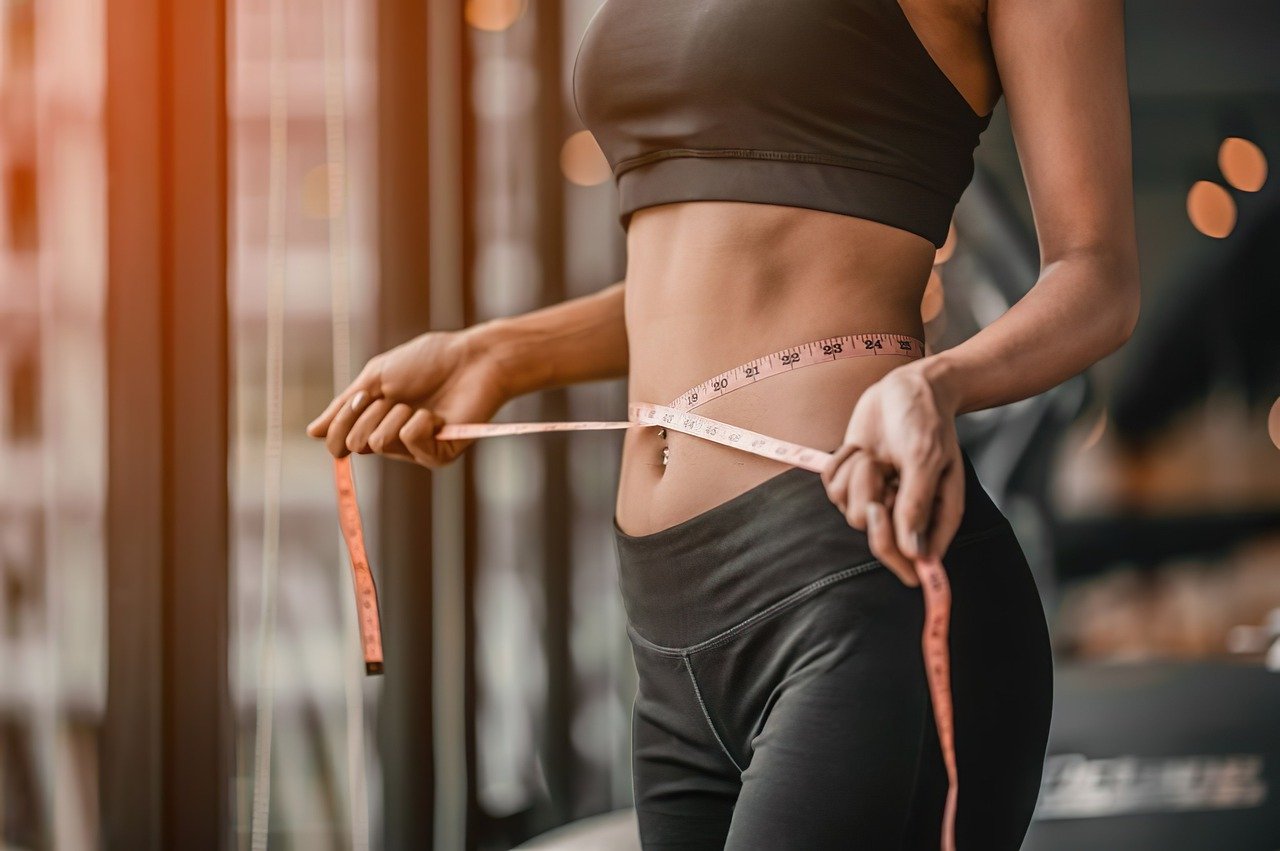
HIIT shines for fat loss due to its afterburn effect and ability to preserve muscle mass. A 2012 study in The Journal of Obesity found that HIIT participants lost more body fat than LISS participants over 12 weeks, despite spending less time exercising. The caveat? It’s intense, so beginners or those with joint issues might prefer LISS to start.
- HIIT Tip: Aim for 3-4 sessions per week, 20-30 minutes each.
- LISS Option: If you’re new to fitness or prefer consistency, 5-6 LISS sessions of 45-60 minutes can match HIIT’s calorie burn over time.
Actionable Advice: Combine HIIT with strength training for optimal fat loss, and use LISS on recovery days to keep calories burning without overtaxing your body.
For Heart Health
Winner: Tie
Both HIIT and LISS improve cardiovascular health, but in different ways. A 2017 study in Circulation showed that HIIT enhances VO2 max (a marker of aerobic fitness) more effectively than LISS in less time. Meanwhile, LISS reduces blood pressure and resting heart rate over time, per a 2020 review in Hypertension.
- HIIT Tip: Use it 2-3 times per week to boost heart efficiency.
- LISS Tip: Incorporate 4-5 sessions weekly for steady, low-stress heart benefits.
Actionable Advice: If you have high blood pressure or a heart condition, consult a doctor before starting HIIT. LISS is safer for most beginners.
For Endurance
Winner: LISS
Endurance athletes—like marathon runners or cyclists—rely on LISS to build stamina. It trains your body to use oxygen efficiently and strengthens slow-twitch muscle fibers, which are key for sustained effort. A 2016 study in The Journal of Applied Physiology found that LISS improved mitochondrial density (energy production in cells) more than HIIT over 8 weeks.
- LISS Tip: Aim for 3-5 sessions of 45-90 minutes, gradually increasing duration.
- HIIT Option: Use HIIT sparingly (1-2 times weekly) to boost speed and power.
Actionable Advice: Pair LISS with proper nutrition (carbs for fuel) to maximize endurance gains.
Pros and Cons of HIIT and LISS
HIIT
Pros:
- Time-efficient.
- Boosts metabolism post-workout.
- Improves power and speed.
Cons:
- High injury risk if form is poor.
- Not ideal for beginners or those with joint issues.
- Can lead to burnout if overdone.
LISS
Pros:
- Low impact, joint-friendly.
- Sustainable for longer sessions.
- Great for recovery and stress relief.
Cons:
- Less calorie burn per minute.
- Time-consuming.
- May plateau without progression.
Sample Workouts to Get Started
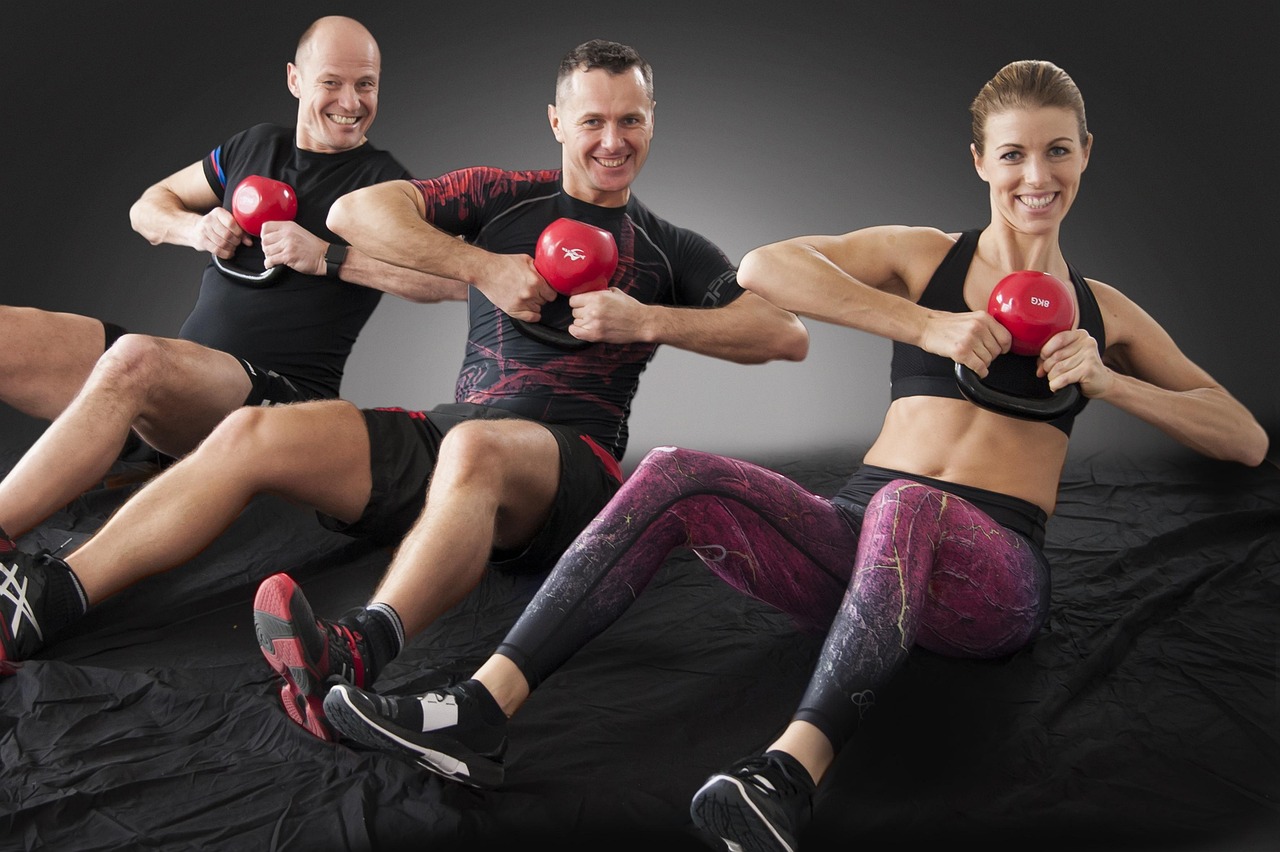
HIIT Workout: Full-Body Fat Burner (20 Minutes)
Warm-Up (5 minutes): Light jogging or jumping jacks.
Workout: Repeat 4 rounds, 30 seconds on, 30 seconds rest:
- Burpees
- Mountain climbers
- Jump squats
- Push-ups
Cool-Down (5 minutes): Walking and stretching.
Equipment: None needed.
Heart Rate Goal: 80-95% of max (calculate: 220 – your age).
LISS Workout: Steady-State Walk/Jog (45 Minutes)
Warm-Up (5 minutes): Slow walking.
Workout: Maintain a brisk pace (you can talk but not sing) for 35 minutes.
Cool-Down (5 minutes): Slow walking and stretching.
Equipment: Comfortable shoes.
Heart Rate Goal: 50-65% of max.
How to Choose: Practical Considerations
- Schedule: Got 20 minutes? HIIT. An hour? LISS.
- Fitness Level: Beginners start with LISS; intermediates/advanced can handle HIIT.
- Preference: Love intensity? HIIT. Prefer calm? LISS.
- Equipment: HIIT often needs none; LISS might require a treadmill or bike.
Pro Tip: Mix both! Use HIIT 2-3 times weekly for efficiency and LISS 2-3 times for recovery and endurance—a hybrid approach maximizes benefits.
Conclusion: HIIT, LISS, or Both?
There’s no one-size-fits-all answer. HIIT is your go-to for quick fat loss and cardiovascular gains in minimal time, while LISS excels for endurance, recovery, and a low-stress option. Your goals, fitness level, and lifestyle dictate the best choice—or blend. Start with the sample workouts, track your progress, and adjust as needed. Fitness isn’t a race; it’s a journey. Which path will you take?
Sources:
- Sports Medicine (2015): EPOC and HIIT.
- The Journal of Obesity (2012): HIIT vs. LISS for fat loss.
- Circulation (2017): Cardiovascular benefits of HIIT.
- Hypertension (2020): LISS and blood pressure.
- The Journal of Applied Physiology (2016): Endurance and mitochondrial density.