

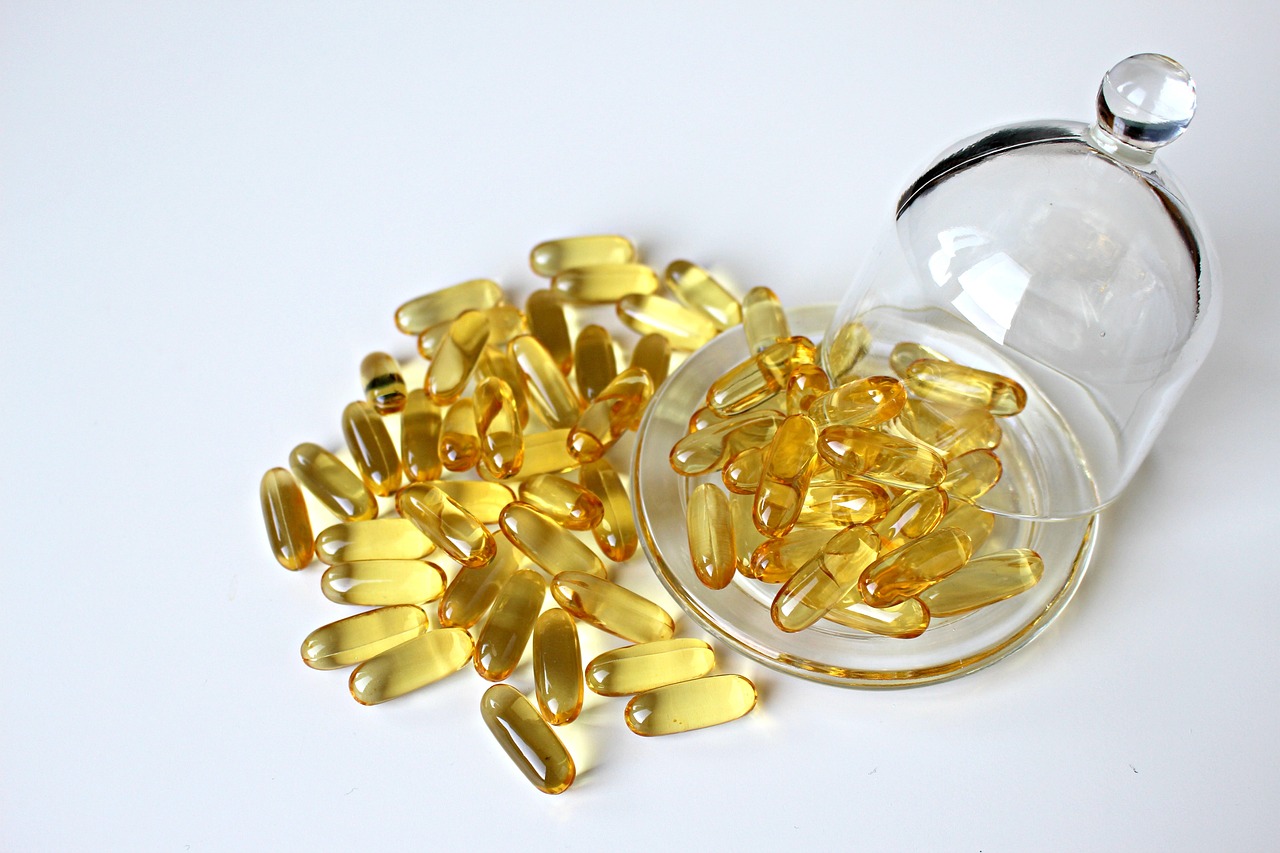
Supplements are a booming industry, with promises of better health, glowing skin, and boundless energy flooding store shelves and social media feeds. The global dietary supplement market is expected to hit $230.73 billion by 2027, reflecting their massive appeal. But how much of this is grounded in science, and how much is just marketing? In this guide, we’ll explore three popular supplements—vitamin D, collagen, and Ashwagandha—separating proven benefits from overblown claims and highlighting key precautions. Backed by credible sources like the National Institutes of Health (NIH) and Cochrane reviews, we’ll offer actionable tips to help you navigate this crowded landscape safely and effectively.
Why Supplements Are So Popular and Why Caution Matters
Supplements promise quick solutions: a pill for fatigue, a powder for aging. A 2022 NIH study found over 50% of Americans use them, often without medical guidance. While some deliver real benefits, the lack of strict regulation—unlike prescription drugs overseen by the FDA—means quality varies widely. This article will help you discern what’s worth trying, what’s overhyped, and what requires care, starting with three trending options.
Vitamin D: The Sunshine Supplement
What It Is and Why It’s Popular
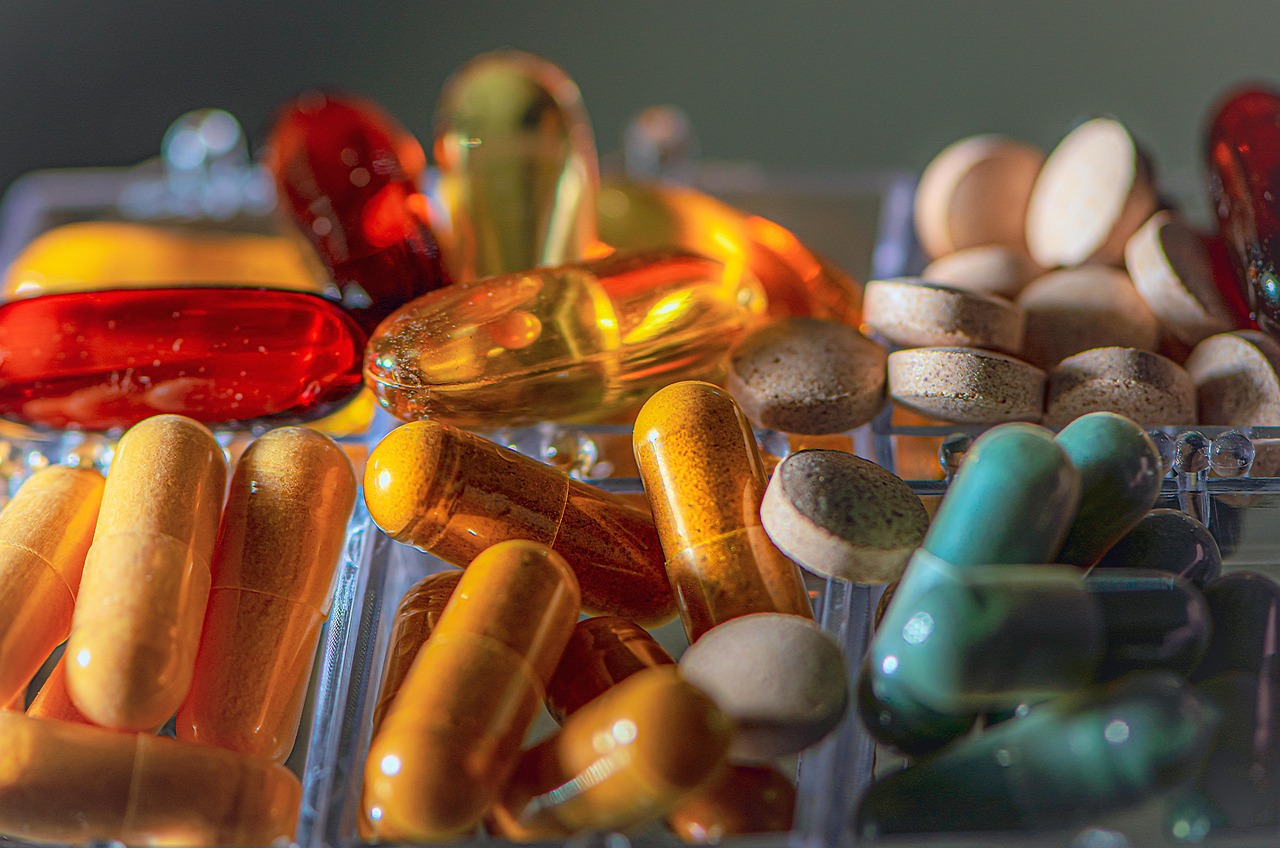
Vitamin D, known as the “sunshine vitamin,” supports bone health, immunity, and calcium absorption. Produced naturally via sunlight, it’s a common supplement for those with limited sun exposure or deficiency risks, like older adults or northern residents.
What Works
Research supports vitamin D for specific needs. A 2014 Cochrane review of 159 trials showed it reduces fracture risk in older adults when paired with calcium. The NIH also links it to better immune function, with studies suggesting it may lower respiratory infection risk.
- Who Benefits Most: Those with low levels (below 20 ng/mL), seniors, or people with minimal sunlight.
- Recommended Dose: NIH advises 600-800 IU daily for most adults; deficiency may require more under supervision.
What’s Hype
Not everyone needs a vitamin D boost. If you get sun and eat fortified foods (e.g., milk), supplements may be unnecessary. A 2019 NIH study found no significant cancer or heart disease prevention in healthy adults without deficiency, countering broader wellness claims.
What to Watch Out For
Taking too much vitamin D (over 4,000 IU daily long-term) can lead to hypercalcemia—excess calcium in the blood—potentially causing kidney stones or nausea. Unregulated products may also have inconsistent doses.
Actionable Tip: Test your levels first. Choose brands with third-party testing (e.g., USP, NSF) and avoid high doses unless prescribed.
Collagen: The Beauty Buzzword
What It Is and Why It’s Popular
Collagen, a protein in skin, joints, and hair, declines with age, fueling a surge in supplements promising youthful looks and mobility. Powders, pills, and gummies dominate the market, backed by influencer hype.
What Works
Some studies validate collagen’s benefits. A 2019 review in the Journal of Drugs in Dermatology found collagen peptides improved skin elasticity and hydration after 8-12 weeks. A 2021 NIH-cited study noted reduced joint pain in athletes, hinting at osteoarthritis relief.
- Who Benefits Most: Older adults with joint issues or those seeking subtle skin perks.
- Recommended Dose: Studies use 2.5-10 grams daily of hydrolyzed collagen.
What’s Hype
Claims of dramatic wrinkle reversal or lush hair growth lack strong backing. A 2020 Cochrane review found insufficient evidence for collagen in wound healing or broad anti-aging effects. Digested collagen becomes amino acids, not a direct skin or joint “fix.”
What to Watch Out For
Collagen is generally safe, but unregulated products may contain contaminants like heavy metals or allergens (e.g., shellfish-derived collagen). High doses (over 15 grams daily) might upset your stomach.
Actionable Tip: Pick hydrolyzed peptides from trusted sources. Pair with vitamin C-rich foods for natural collagen support.
Ashwagandha: The Stress-Busting Herb
What It Is and Why It’s Popular
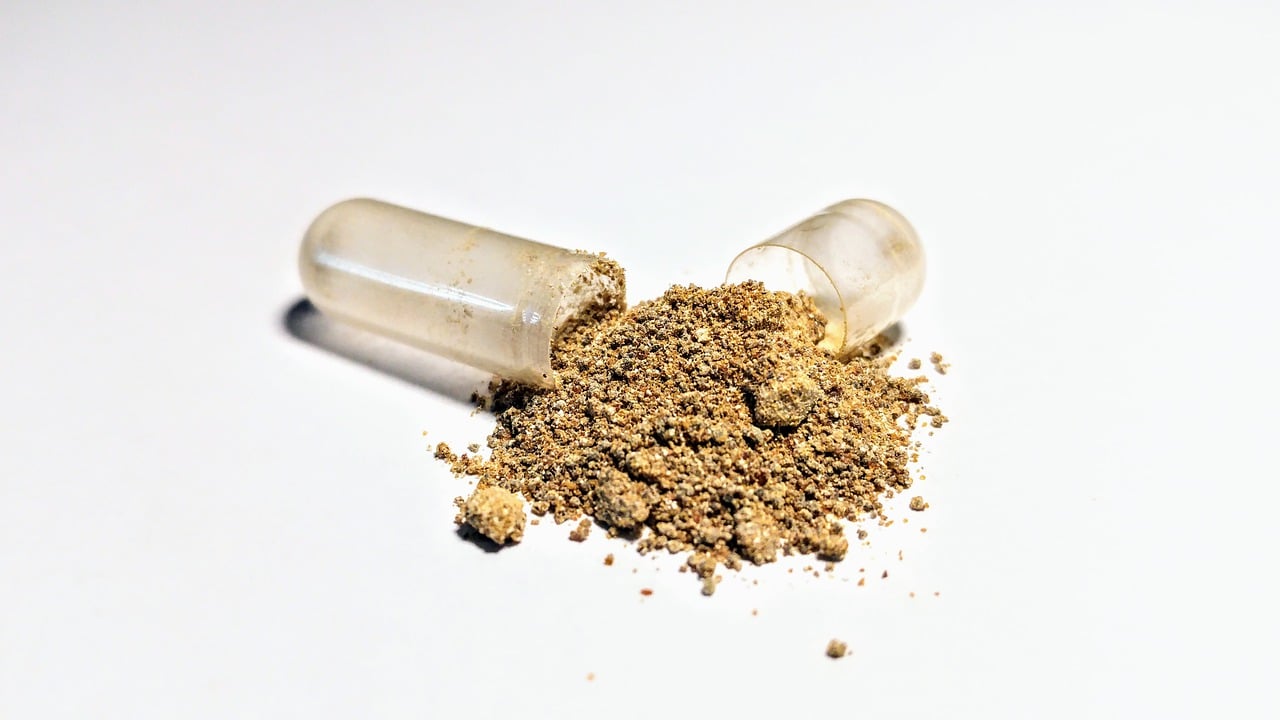
Ashwagandha, an Ayurvedic adaptogen, is touted for easing stress, boosting energy, and sharpening focus. Its rise reflects a demand for natural stress relief in our fast-paced world.
What Works
Science supports some benefits. A 2019 NIH-funded study showed 600 mg daily of ashwagandha root extract lowered cortisol and improved sleep in stressed adults. A 2021 Phytomedicine review confirmed mild anxiety and cognitive gains.
- Who Benefits Most: Those with chronic stress or mild anxiety.
- Recommended Dose: 300-600 mg daily of standardized extract (check withanolide content).
What’s Hype
Broad claims—thyroid fixes, muscle gains, infertility cures—lack solid proof. A 2020 Cochrane review found no strong evidence for physical performance or chronic disease benefits. Effects are subtle, not revolutionary.
What to Watch Out For
High doses (over 1,000 mg daily) may cause drowsiness, stomach issues, or low blood pressure. It can interact with sedatives or thyroid meds. Unregulated versions might be contaminated or mislabeled.
Actionable Tip: Start with 300 mg and monitor. Avoid if pregnant or on certain meds. Seek lab-verified purity.
Success Stories with Supplements: Real Wins
While caution is key, supplements can shine when used right:
- Vitamin D: A 65-year-old with deficiency saw stronger bones after six months of 1,000 IU daily, per NIH data.
- Collagen: Athletes in a 2021 study reported less knee pain with 5 grams daily, enhancing training.
- Ashwagandha: Stressed adults in a 2019 trial felt calmer with 600 mg, improving sleep quality.
These wins underscore targeted, evidence-based use—not blanket promises.
The Risks of Supplements: Quality and Quantity
The Regulation Gap
The FDA doesn’t pre-approve supplements, so quality varies. A 2023 NIH report found 37% of herbal supplements had undeclared ingredients or contaminants like lead. Without oversight, safety isn’t guaranteed.
The Overdose Concern
Excess can harm. Fat-soluble vitamins (e.g., D) build up, risking toxicity. Even water-soluble ones (e.g., C) can cause issues like kidney stones in high doses. Herbs like ashwagandha amplify risks if overdone.
Example: In 2021, FDA warnings tied liver damage to turmeric supplements with hidden additives, showing the stakes of poor quality.
How to Choose Wisely: Practical Steps
Supplements can support health, but they’re not shortcuts. Here’s how to proceed:
Assess Your Needs
Test Levels: Check vitamin D or nutrient status with a blood test.
Review Diet: Fill gaps, don’t replace meals.
Check the Science
Trust Sources: Use NIH, Cochrane, or PubMed, not ads.
Be Skeptical: If it sounds miraculous, it’s likely hype.
Pick Quality
Certifications: Look for USP, NSF, or ConsumerLab seals.
Avoid Vague Labels: Skip unclear or exaggerated claims.
Dose Carefully
Stick to Guidelines: Follow recommended amounts unless advised otherwise.
Check Interactions: Ask a pharmacist if on meds.
Monitor Results
Track Effects: Note changes after starting.
Pause if Needed: Stop and consult a doctor if issues arise.
Conclusion: Supplements Done Right
Vitamin D, collagen, and Ashwagandha offer real perks bone strength, skin hydration, stress relief when used smartly. But they’re not cure-alls, and risks like poor quality or overdoing it loom large. Grounded in NIH and Cochrane evidence, this guide shows that informed choices beat blind trends. Supplements are tools, not magic, pair them with a solid diet and lifestyle for the best results.
Disclaimer: This article is for informational purposes only and does not constitute medical advice. Consult a healthcare professional before starting any supplements.