

Living with diabetes doesn’t mean giving up flavorful, satisfying meals. With the right dietary approach, you can manage blood sugar levels, boost energy, and enjoy food without stress. This comprehensive guide dives into the essentials of diabetes-friendly eating—explaining the glycemic index, carb counting, and the role of fiber—while providing a practical 30-day meal plan complete with delicious recipes for breakfast, lunch, dinner, and snacks. Backed by insights from the American Diabetes Association (ADA), this plan offers actionable advice to help you take control of your health.
Understanding the Basics of a Diabetes-Friendly Diet
A balanced diet is the cornerstone of diabetes management. By focusing on how foods affect blood sugar, you can maintain stability and reduce complications. Let’s break down three key concepts: the glycemic index, carb counting, and fiber intake.
What Is the Glycemic Index (GI)?
The glycemic index measures how quickly carbohydrate-containing foods raise blood sugar levels, rated on a scale from 0 to 100. Foods with a low GI (55 or less) digest slowly, providing a gradual energy release, while high-GI foods (70 or above) spike blood sugar rapidly.
- Low-GI Examples: Whole grains (quinoa, oats), legumes, and most vegetables.
- High-GI Examples: White bread, sugary cereals, and potatoes.
Incorporating low-GI foods helps prevent blood sugar spikes, making them a smart choice for diabetes management. The ADA emphasizes choosing nutrient-dense, low-GI options like non-starchy vegetables and whole grains for sustained energy.
Carb Counting: A Practical Tool
Carbohydrates directly impact blood sugar, so tracking them is vital—especially for those using insulin. Carb counting involves calculating the grams of carbs in a meal to align with your insulin dose or dietary goals.
- How It Works: A typical serving of carbs is 15 grams (e.g., one slice of whole-grain bread or half a cup of cooked oats).
- Goal: The ADA suggests working with a healthcare provider to determine your daily carb needs, often ranging from 45–60 grams per meal, depending on activity level and medication.
This method offers flexibility, allowing you to enjoy a variety of foods while keeping blood sugar in check.
The Power of Fiber Intake
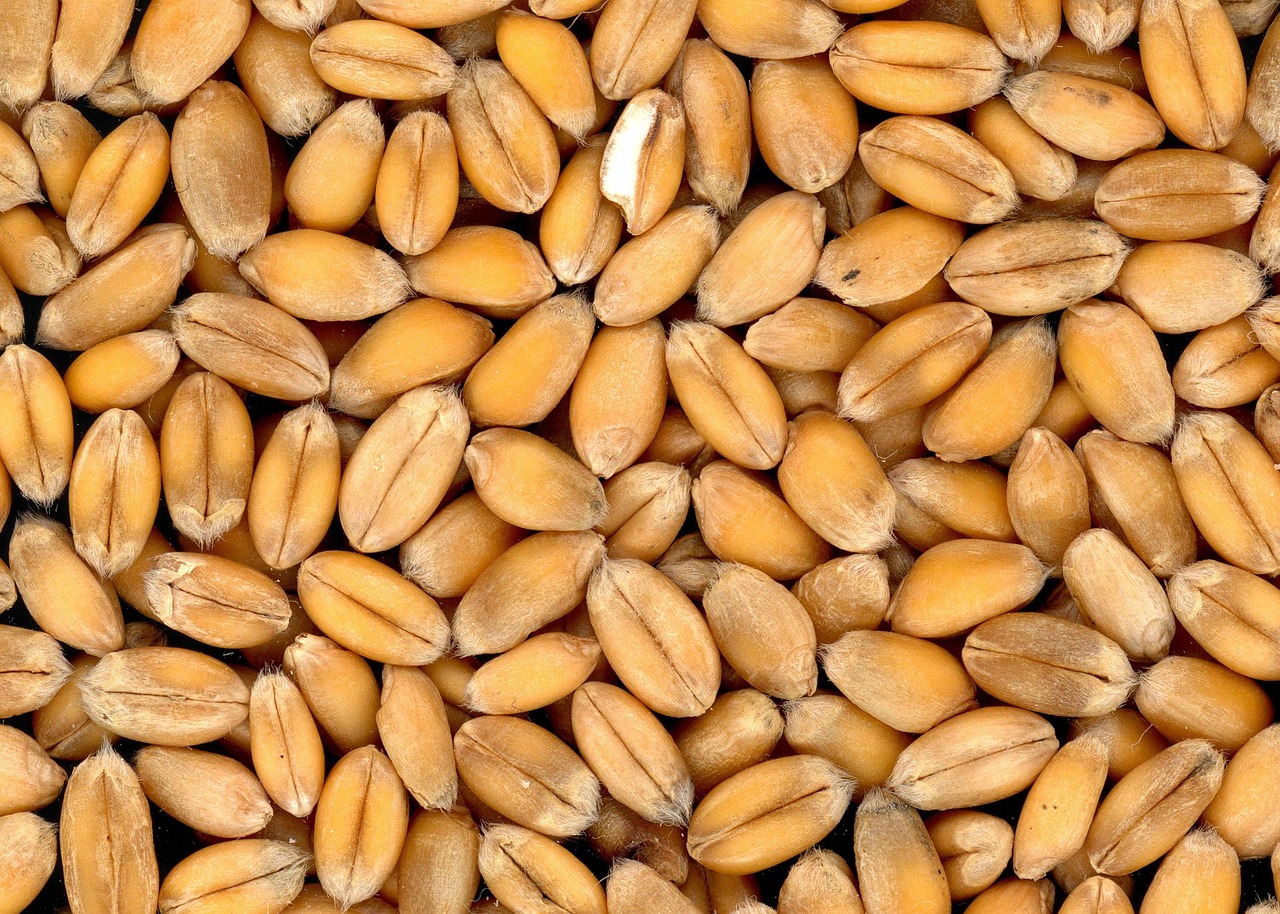
Fiber slows digestion, stabilizes blood sugar, and promotes fullness—key benefits for diabetes management. The ADA recommends at least 14 grams of fiber per 1,000 calories consumed, aiming for 25–35 grams daily.
- Sources: Vegetables (broccoli, spinach), fruits (berries, apples), legumes, and whole grains.
- Tip: Pair fiber-rich foods with protein or healthy fats to enhance satiety and blood sugar control.
Now, let’s put this knowledge into action with a 30-day meal plan and recipes tailored for diabetes management.
Your 30-Day Diabetes Meal Plan Overview
This 30-day plan balances carbs, fiber, and nutrients to keep blood sugar steady. Each day includes three meals and two snacks, averaging 45–60 grams of carbs per meal and 15–20 grams per snack, adjustable to your needs. Recipes are simple, flavorful, and aligned with ADA guidelines (explore more at diabetes.org).
Weekly Structure
- Breakfast: High-fiber, low-GI options to kickstart your day.
- Lunch: Balanced meals with lean protein, veggies, and complex carbs.
- Dinner: Nutrient-packed dishes to wind down.
- Snacks: Quick, blood-sugar-friendly bites.
Let’s dive into sample recipes for each category, then outline a week to get you started.
Diabetes-Friendly Recipes
Breakfast Recipes
1. Spinach & Egg Scramble with Whole-Grain Toast
Servings: 1
Carbs: ~20 grams
Fiber: 5 grams
Ingredients:
- 2 large eggs
- 1 cup fresh spinach
- 1 slice whole-grain bread (15g carbs)
- 1 tsp olive oil
- Salt and pepper to taste
Instructions:
- Heat olive oil in a skillet over medium heat.
- Add spinach and sauté until wilted (1–2 minutes).
- Whisk eggs, pour into skillet, and scramble until cooked (3–4 minutes).
- Toast bread and serve alongside.
Why It Works: Eggs provide protein, spinach adds fiber, and whole-grain bread offers low-GI carbs.
2. Overnight Oats with Berries
Servings: 1
Carbs: ~30 grams
Fiber: 8 grams
Ingredients:
- ⅓ cup rolled oats (20g carbs)
- ½ cup unsweetened almond milk
- ½ cup mixed berries (10g carbs)
- 1 tbsp chia seeds
Instructions:
- Mix oats, almond milk, and chia seeds in a jar.
- Refrigerate overnight.
- Top with berries before eating.
Why It Works: Oats and chia seeds boost fiber, while berries add low-GI sweetness.
Lunch Recipes
3. Grilled Chicken Quinoa Bowl
Servings: 1
Carbs: ~45 grams
Fiber: 10 grams
Ingredients:
- 3 oz grilled chicken breast
- ½ cup cooked quinoa (20g carbs)
- 1 cup steamed broccoli
- ½ cup cherry tomatoes
- 1 tbsp olive oil dressing
Instructions:
- Grill chicken (season with herbs) until cooked (6–8 minutes per side).
- Cook quinoa per package instructions.
- Steam broccoli, then toss all ingredients with olive oil.
Why It Works: Quinoa’s low GI and broccoli’s fiber pair with lean protein for balance.
4. Lentil Soup with Spinach
Servings: 2
Carbs: ~35 grams per serving
Fiber: 14 grams
Ingredients:
- 1 cup dry lentils (30g carbs)
- 2 cups spinach
- 1 carrot, diced
- 1 tsp olive oil
- 4 cups low-sodium vegetable broth
Instructions:
- Sauté carrot in olive oil for 5 minutes.
- Add lentils and broth, simmer for 25–30 minutes.
- Stir in spinach until wilted (2 minutes).
Why It Works: Lentils are fiber-rich and low-GI, perfect for steady blood sugar.
Dinner Recipes
5. Baked Salmon with Sweet Potato
Servings: 1
Carbs: ~40 grams
Fiber: 7 grams
Ingredients:
- 4 oz salmon fillet
- ¾ cup cubed sweet potato (25g carbs)
- 1 cup steamed green beans
- 1 tsp olive oil
Instructions:
- Preheat oven to 400°F (200°C).
- Toss sweet potato with oil, bake for 25 minutes.
- Add seasoned salmon, bake 12–15 minutes more.
- Steam green beans and serve.
Why It Works: Sweet potato’s moderate GI and salmon’s healthy fats stabilize blood sugar.
6. Turkey-Stuffed Bell Peppers
Servings: 2
Carbs: ~25 grams per serving
Fiber: 6 grams
Ingredients:
- 2 bell peppers (10g carbs each)
- 6 oz ground turkey
- ½ cup cooked brown rice (20g carbs)
- 1 tsp olive oil
Instructions:
- Preheat oven to 375°F (190°C).
- Sauté turkey in oil until browned.
- Mix with rice, stuff into halved peppers, and bake for 30 minutes.
Why It Works: Brown rice and peppers provide fiber and low-GI carbs.
Snack Recipes
7. Greek Yogurt with Almonds
Servings: 1
Carbs: ~15 grams
Fiber: 3 grams
Ingredients:
- ¾ cup plain Greek yogurt (10g carbs)
- 10 almonds
Instructions: Mix and enjoy!
Why It Works: Protein and healthy fats keep you full with minimal carbs.
8. Veggie Sticks with Hummus
Servings: 1
Carbs: ~15 grams
Fiber: 5 grams
Ingredients:
- 1 cup carrot and celery sticks
- 2 tbsp hummus (10g carbs)
Instructions: Dip and eat!
Why It Works: Fiber-rich veggies and hummus offer a low-GI boost.
Sample Week from the 30-Day Plan
Here’s a 7-day snapshot to inspire your month-long journey. Adjust portion sizes or swap recipes based on your carb goals.
Day 1
- Breakfast: Spinach & Egg Scramble with Toast (20g carbs)
- Snack: Greek Yogurt with Almonds (15g carbs)
- Lunch: Grilled Chicken Quinoa Bowl (45g carbs)
- Snack: Veggie Sticks with Hummus (15g carbs)
- Dinner: Baked Salmon with Sweet Potato (40g carbs)
- Total Carbs: ~135 grams
Day 2
- Breakfast: Overnight Oats with Berries (30g carbs)
- Snack: 1 small apple (15g carbs)
- Lunch: Lentil Soup with Spinach (35g carbs)
- Snack: 10 almonds (5g carbs)
- Dinner: Turkey-Stuffed Bell Peppers (25g carbs)
- Total Carbs: ~110 grams
Day 3–30
Mix and match recipes, keeping carbs at 45–60g per meal and 15–20g per snack. Add variety with ADA-approved options like grilled fish, roasted veggies, or bean salads.
Actionable Tips for Success

- Plan Ahead: Prep meals weekly to stay on track.
- Read Labels: Check for hidden sugars and total carbs.
- Hydrate: Water supports metabolism and blood sugar regulation.
- Consult Experts: Work with a dietitian for personalized guidance, as recommended by the ADA.
Why This Plan Works
This 30-day guide aligns with ADA principles, emphasizing whole foods, fiber, and low-GI choices. It’s flexible, sustainable, and delicious—proving that managing diabetes through diet can be both effective and enjoyable. Start today, and tweak as needed to fit your lifestyle. For more resources, visit diabetes.org.