


In today’s hyper-connected world, the rise of smartphones, social media, and constant notifications has created a double-edged sword. While technology offers convenience, connection, and entertainment, excessive screen time and social media use have been linked to increased anxiety, depression, and mental health challenges.
The average person spends over 7 hours per day on screens, and much of that time is devoted to social media and online content. Studies have shown that prolonged exposure to curated, idealized images of other people’s lives can distort reality, fuel comparison, and elevate stress levels. The constant influx of information and notifications also overloads the brain, reducing focus and increasing mental fatigue.
Managing anxiety and screen time in the digital age requires a balanced approach—recognizing the impact of technology on mental health while adopting strategies to create healthier digital habits. This article explores:
- The link between social media and mental health issues
- How excessive screen time contributes to anxiety and depression
- Actionable strategies for managing screen time and anxiety
- Mindfulness practices and digital detox tips
- Apps and tools to support mental wellness
The Link Between Social Media and Mental Health
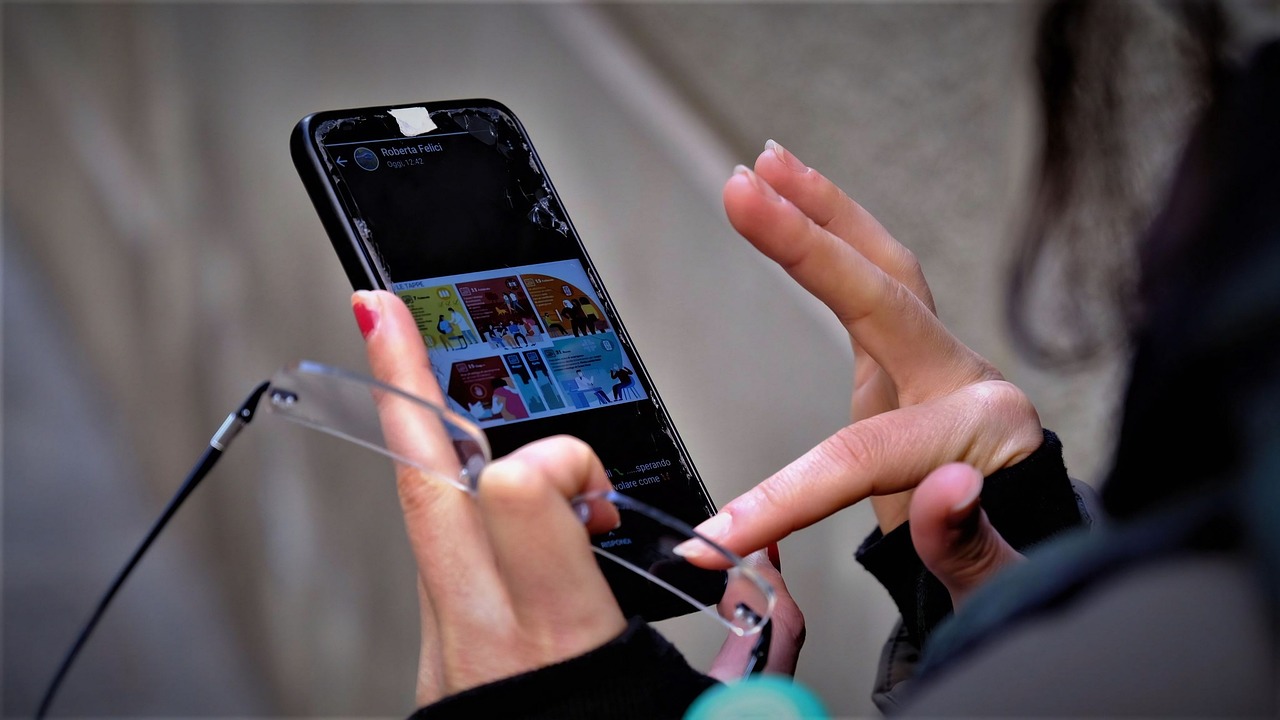
Social media platforms like Instagram, TikTok, Facebook, and Twitter (X) were designed to keep users engaged through likes, comments, and algorithm-driven content. While they offer benefits such as connection and entertainment, they also come with psychological costs.
Comparison and Self-Esteem Issues
Social media platforms often showcase the highlights of people’s lives—vacations, achievements, and curated selfies. This creates an unrealistic standard of living and beauty that leads to negative self-comparison.
- A study published in JAMA Psychiatry (2019) found that adolescents who spent more than 3 hours daily on social media were twice as likely to experience anxiety and depression.
- Another study from Computers in Human Behavior (2017) found that passive social media use (scrolling without interaction) was strongly linked to feelings of envy and low self-esteem.
Why It Matters: Constant comparison can create a sense of inadequacy, reinforcing negative self-talk and damaging self-confidence.
Fear of Missing Out (FOMO)
FOMO is the anxiety that others are having rewarding experiences without you. Social media amplifies this feeling through constant updates about parties, trips, and events.
- Research in Psychological Science (2013) showed that FOMO is linked to greater stress and lower overall life satisfaction.
- FOMO often leads to compulsive social media checking, increasing screen time and exacerbating anxiety.
Why It Matters: The constant need to check social media for updates disrupts focus, increases anxiety, and diminishes overall contentment.
Dopamine and Addiction Cycles
Social media platforms are engineered to activate the brain’s reward system through likes, comments, and notifications. Each interaction releases dopamine—the brain’s “feel-good” chemical—creating a reinforcing loop that leads to compulsive checking and scrolling.
- A 2018 study in Nature Communications found that social media platforms stimulate the same brain pathways involved in drug addiction.
- Over time, this can create dependence, making it difficult to reduce screen time even when it negatively impacts mental health.
Why It Matters: Dopamine-driven behavior reinforces compulsive use and increases vulnerability to anxiety and mood swings.
How Excessive Screen Time Contributes to Anxiety and Depression
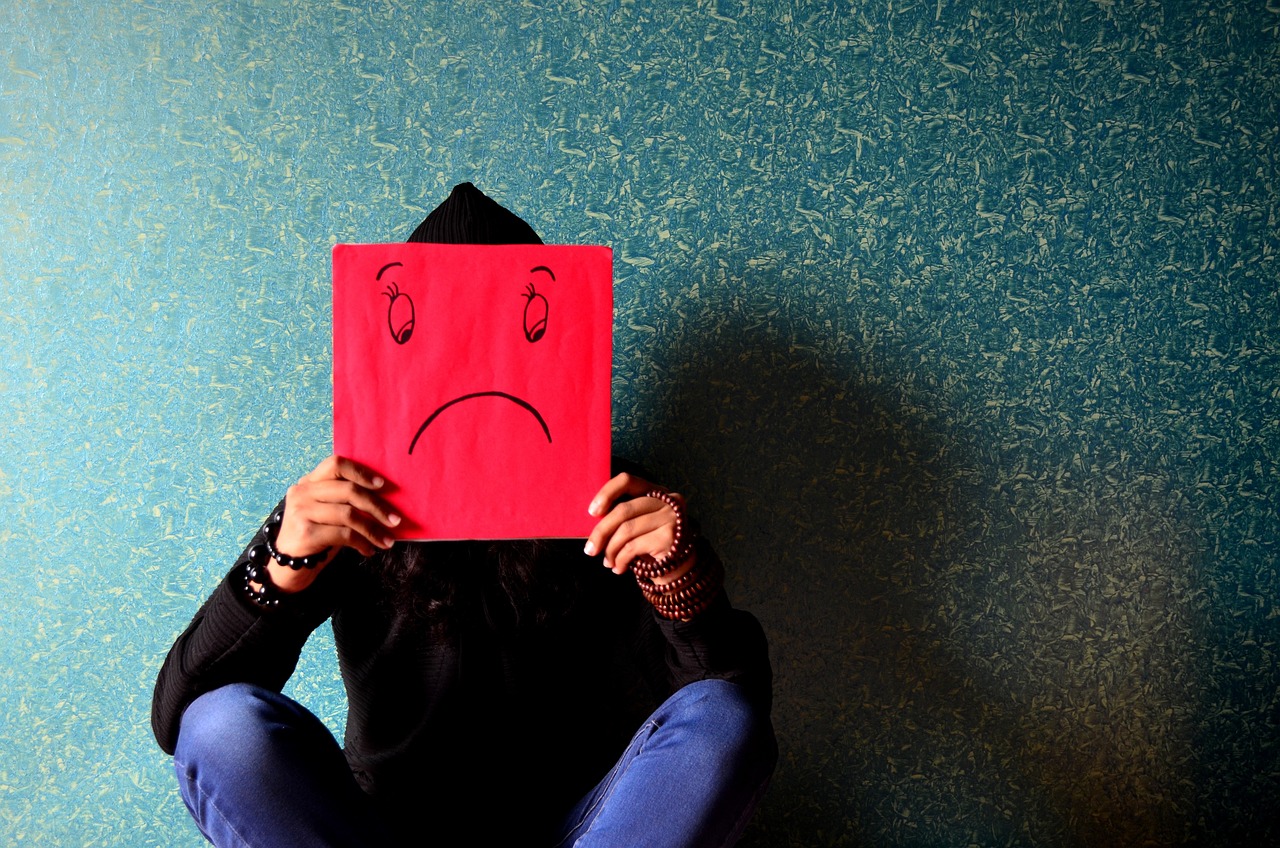
Sleep Disruption
Blue light emitted from screens interferes with melatonin production, which regulates sleep. Poor sleep quality contributes to heightened stress and emotional instability.
- A 2017 study in Sleep Health found that screen use within 30 minutes of bedtime significantly reduces sleep quality and increases nighttime waking.
- Poor sleep increases cortisol (stress hormone) levels, which heightens anxiety and emotional sensitivity.
Reduced Attention Span and Mental Fatigue
Constant switching between apps, messages, and social media feeds overstimulates the brain, reducing focus and increasing mental exhaustion.
- A 2019 study in Frontiers in Psychology found that heavy smartphone use was linked to reduced cognitive performance and increased emotional instability.
- Multitasking with screens increases mental load, making it harder to concentrate and regulate emotions.
Social Isolation and Loneliness
While social media increases virtual connectivity, it reduces meaningful real-life interactions.
- A 2020 study in American Journal of Preventive Medicine found that heavy social media users were more likely to report feelings of loneliness and social isolation.
- Lack of genuine social interaction increases vulnerability to depression and anxiety.
Strategies for Managing Screen Time and Anxiety
To break the cycle of social media-driven anxiety and overstimulation, it’s essential to adopt intentional strategies that reduce screen time and promote mental balance.
Establish Screen-Free Zones
Create tech-free areas in your home, such as:
- The bedroom (to improve sleep quality)
- The dining table (to foster meaningful conversations)
- The bathroom (to avoid mindless scrolling)
Use the 20-20-20 Rule
To reduce eye strain and mental fatigue:
- Every 20 minutes, look at something 20 feet away for at least 20 seconds.
- This helps prevent eye strain and mental overload from prolonged screen exposure.
Set App Time Limits
Use built-in tools like:
- Screen Time (iOS)
- Digital Wellbeing (Android)
- Freedom or AppBlock (third-party apps)
Set daily limits on social media and app usage to reduce mindless scrolling.
Prioritize Face-to-Face Interaction
Schedule regular in-person meetups with friends and family. Human connection improves emotional well-being and reduces feelings of isolation.
Schedule a Digital Detox
Commit to 1–2 hours of tech-free time each day or a full-day detox once a week.
- Engage in hobbies (reading, painting, walking) to fill the time.
- Start small and gradually extend detox periods.
Mindfulness Practices to Reduce Anxiety
Deep Breathing and Meditation
Mindful breathing reduces cortisol levels and activates the parasympathetic nervous system (rest and digest mode).
- Try the 4-7-8 breathing method:
- Inhale for 4 seconds → Hold for 7 seconds → Exhale for 8 seconds
Body Scanning
Lie down, close your eyes, and slowly bring awareness to each part of your body, starting from your toes to your head.
- This helps reduce muscle tension and mental stress.
Gratitude Journaling
Write down three things you’re grateful for each day.
- Gratitude shifts attention from anxiety to positive experiences.
FAQs
How much screen time is considered too much?
Experts recommend limiting recreational screen time to 2 hours per day for optimal mental health.
Does deleting social media improve mental health?
Yes, studies show that reducing social media use can lower anxiety and improve mood within 2 weeks.
How can I reduce social media use without feeling disconnected?
Schedule regular calls and in-person meetings to maintain social connections.
Conclusion
Managing mental health in the digital age requires intentional effort to balance technology use with real-world engagement. By reducing screen time, practicing mindfulness, and using tools to support mental wellness, you can reduce anxiety, improve focus, and reclaim control over your mental health.