
Transitioning to a vegan diet can feel like stepping into uncharted territory. You might wonder: Will I get enough protein? What about iron or B12? Can I do this without breaking the bank? These are valid questions, and the good news is that a well-planned plant-based diet can meet all your nutritional needs while offering health benefits—without relying on processed vegan junk food. This guide will walk you through the essentials of going vegan, debunk common myths, and provide practical tips to thrive on plants.
Why Go Vegan? The Big Picture
A vegan diet eliminates all animal products—meat, dairy, eggs, and even honey—focusing instead on fruits, vegetables, grains, legumes, nuts, and seeds. People choose veganism for various reasons: ethical concerns for animals, environmental sustainability, or health improvements. Research backs up the health angle. A 2019 study in The Lancet found that plant-based diets can reduce the risk of heart disease by up to 32% and type 2 diabetes by 23% when compared to omnivorous diets. However, the key phrase here is well-planned. Without attention to nutrients like protein, iron, B12, and calcium, deficiencies can creep in. Let’s break it down.
Key Nutrients and How to Get Them
Protein: More Than Just Meat
The myth that vegans can’t get enough protein is persistent but outdated. The Recommended Dietary Allowance (RDA) for protein is 0.8 grams per kilogram of body weight—about 56 grams for a 70 kg (154 lb) person. Plants can easily meet this.
Sources:
- Lentils (18g protein per cooked cup)
- Black beans (15g per cup)
- Tofu (20g per half-cup)
- Tempeh (31g per cup)
- Quinoa (8g per cup)
- Nuts and seeds (e.g., almonds: 7g per ounce)
Tip: Combine different sources—like beans with rice or hummus with whole-grain bread—to get all essential amino acids. Variety is your friend.
Iron: Powering Your Blood
Iron deficiency can lead to fatigue and anemia, and while plant-based (non-heme) iron is less bioavailable than animal-based (heme) iron, you can boost absorption. Adults need 8 mg (men) or 18 mg (women) daily, per the National Institutes of Health (NIH).
Sources:
- Spinach (3 mg per cooked cup)
- Lentils (6 mg per cup)
- Pumpkin seeds (4 mg per ounce)
- Fortified cereals (check labels, often 4-18 mg per serving)
Tip: Pair iron-rich foods with vitamin C (e.g., bell peppers, citrus) to enhance absorption. Avoid tea or coffee with meals, as tannins can inhibit it.
Vitamin B12: The Non-Negotiable
B12 is critical for nerve function and red blood cell production, and it’s the one nutrient almost exclusively found in animal products. Deficiency can cause irreversible neurological damage. The RDA is 2.4 micrograms daily.
Sources:
- Nutritional yeast (2 tbsp can provide 7.5 mcg—check labels)
- Fortified plant milks (1-2 mcg per cup)
- B12 supplements (a 250 mcg daily dose or 2,500 mcg weekly is common)
Tip: Don’t skip this. The American Dietetic Association recommends all vegans supplement B12 or rely on fortified foods.
Calcium: Beyond Dairy
Calcium keeps bones strong, and while dairy is a go-to for omnivores, plants offer plenty. The RDA is 1,000 mg daily for most adults.
Sources:
- Kale (180 mg per cooked cup)
- Fortified almond milk (300-450 mg per cup)
- Tofu prepared with calcium sulfate (up to 860 mg per half-cup)
- Chia seeds (179 mg per 2 tbsp)
Tip: Check labels for fortified products, and eat leafy greens regularly. Absorption is similar to dairy when sourced from low-oxalate greens like kale (avoid over-relying on spinach, which is high in oxalates).
Sample Vegan Meal Plan for a Day
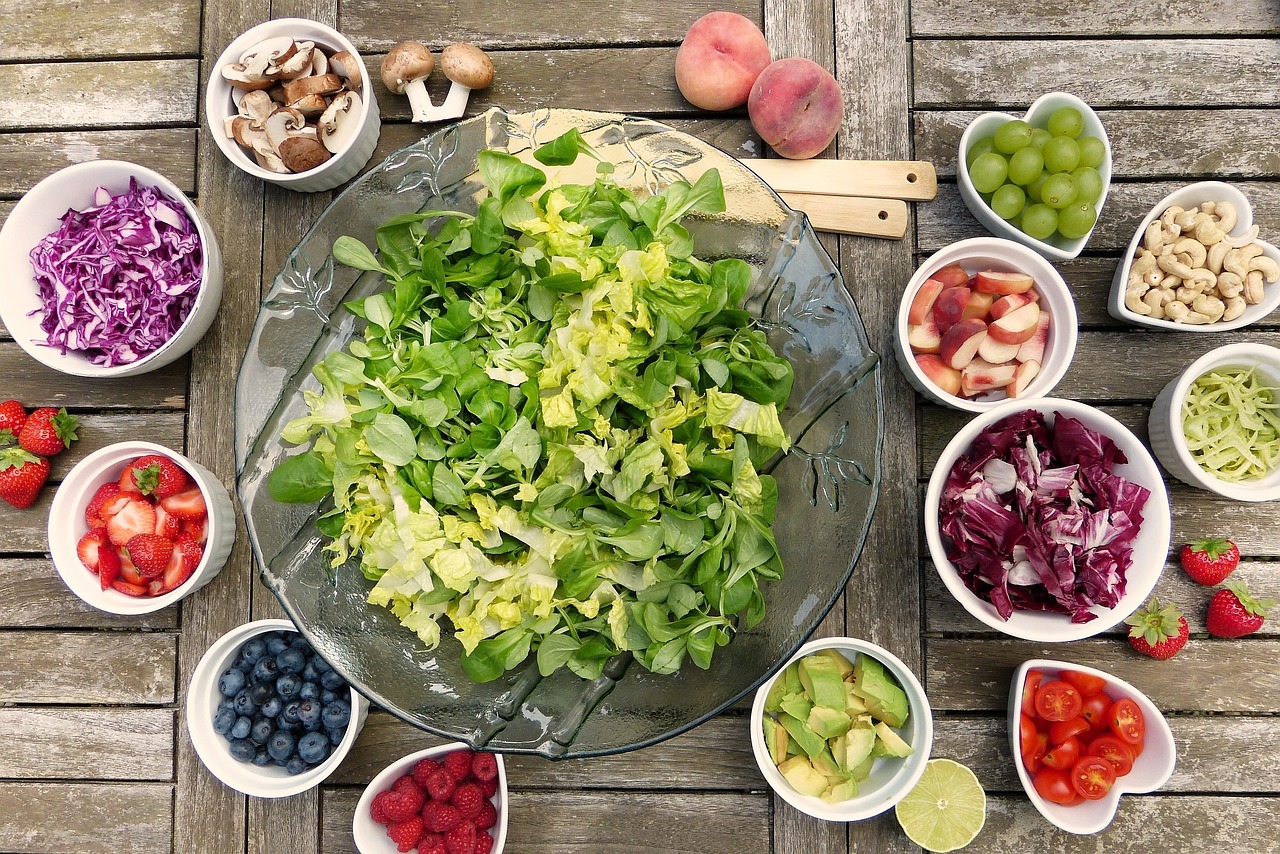
Here’s a beginner-friendly, nutrient-packed day on a vegan diet. Adjust portions to your needs.
Breakfast:
Oatmeal (1 cup cooked) with 1 tbsp chia seeds, a handful of berries, and a splash of fortified almond milk (Protein: 10g, Calcium: 350 mg, Iron: 2 mg)
Lunch:
Quinoa bowl with 1 cup black beans, roasted sweet potato, spinach, and tahini dressing (Protein: 20g, Iron: 6 mg, Calcium: 150 mg)
Snack:
Hummus (2 tbsp) with carrot sticks and 1 oz pumpkin seeds (Protein: 8g, Iron: 4 mg, Calcium: 50 mg)
Dinner:
Stir-fried tofu (half-cup) with broccoli, bell peppers, and brown rice (Protein: 25g, Iron: 3 mg, Calcium: 400 mg)
Extra:
1 tbsp nutritional yeast sprinkled on dinner and a B12 supplement (B12: 7.5 mcg)
Total: ~63g protein, 15 mg iron, 950 mg calcium, B12 covered. Add variety daily to hit all targets.
Budget Tips for Vegan Living
Going vegan doesn’t have to mean splurging on faux meats or superfoods. Here’s how to keep costs down:
- Buy in Bulk: Staples like lentils, rice, oats, and beans are cheap when purchased in larger quantities. A 1-lb bag of lentils (about $1.50) yields 7 cups cooked.
- Frozen Over Fresh: Frozen veggies and fruits retain nutrients and cost less per serving (e.g., frozen spinach: $2 for 16 oz vs. $3 for 5 oz fresh).
- DIY Staples: Make your own plant milk (oats + water + blender = cheap oat milk) or hummus instead of buying pre-made.
- Seasonal Shopping: Hit farmers’ markets for deals on in-season produce like kale or squash.
- Limit Processed Foods: A $5 vegan burger patty can be replaced with a $0.50 homemade black bean patty.
A 2021 Oxford University study found plant-based diets can be 30% cheaper than meat-heavy ones when focusing on whole foods. Stick to the basics, and your wallet will thank you.
Vegan Myths Debunked
Myth 1: Vegans Are Always Protein-Deficient
Reality: Studies, like one from The Journal of the American Dietetic Association (2009), show vegans meet or exceed protein needs with diverse plant sources. It’s about planning, not scarcity.
Myth 2: You’ll Feel Weak Without Meat
Reality: Athletes like Venus Williams thrive on vegan diets. Energy comes from carbs, fats, and proteins—all abundant in plants. Iron and B12 are the real watchpoints, not stamina.
Myth 3: Veganism Is Expensive
Reality: Processed vegan foods (e.g., $8 vegan cheese) can add up, but whole foods like rice and beans are some of the cheapest options in any grocery store.
Myth 4: It’s All Salads
Reality: From hearty lentil stews to creamy cashew pasta, vegan cuisine is diverse. You won’t be stuck munching lettuce.
Health Benefits vs. Processed Vegan Foods
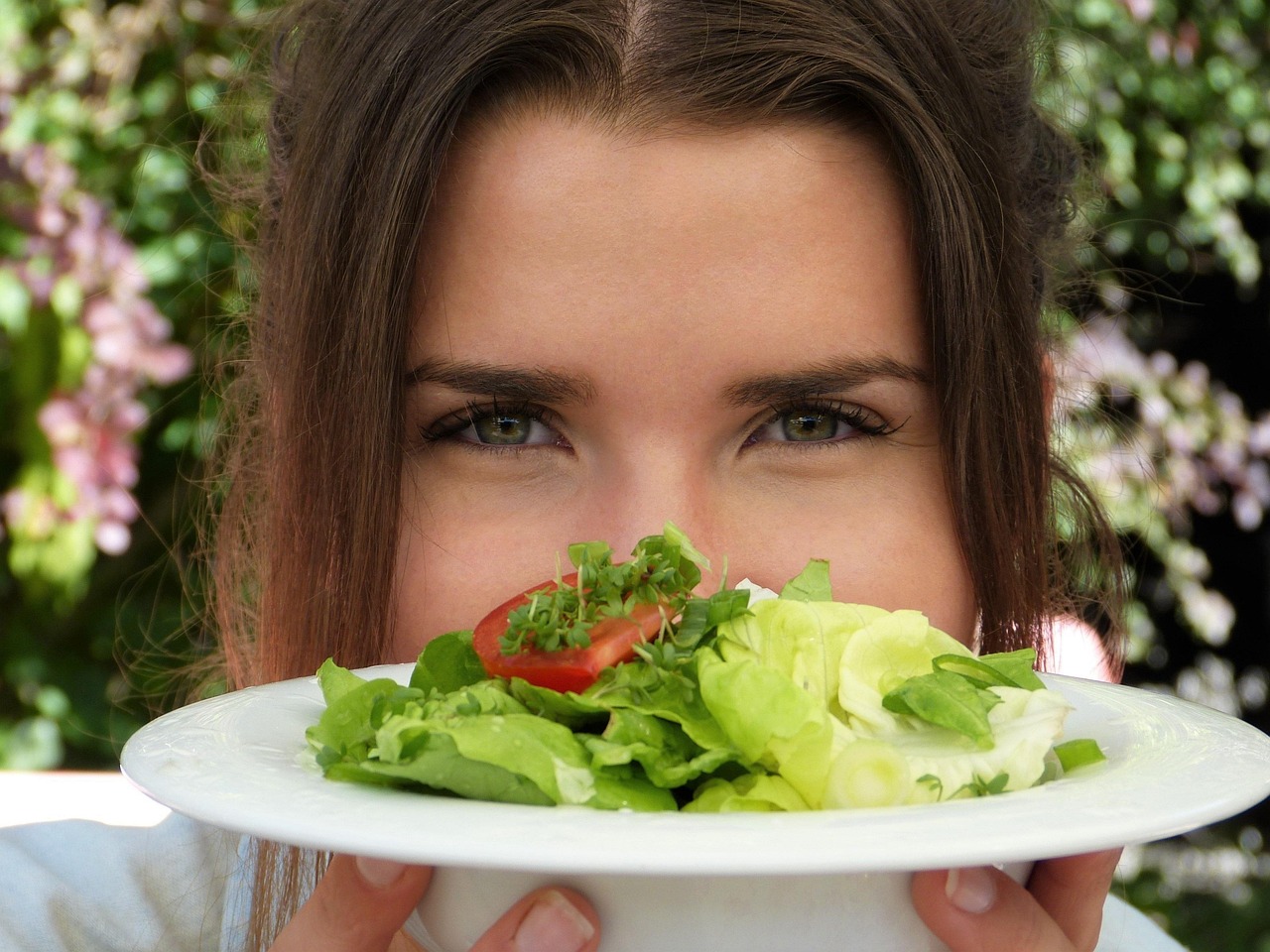
The Upside of Whole Plant Foods
A 2020 review in Nutrients highlighted that whole-food vegan diets lower cholesterol, improve blood sugar control, and reduce inflammation. Fiber from plants (absent in animal products) feeds gut health, while antioxidants combat chronic disease. Weight management is another perk—vegans tend to have lower BMIs, per a 2017 Journal of General Internal Medicine study.
The Downside of Processed Vegan Junk
Not all vegan food is healthy. Vegan donuts, frozen pizzas, and faux meats can be loaded with sodium, refined carbs, and saturated fats from coconut oil. A 2022 British Medical Journal analysis found ultra-processed vegan foods linked to higher heart disease risk compared to whole plant diets. The lesson? A vegan Twinkie isn’t a health food.
Getting Started: Practical Steps
- Start Slow: Go meatless one day a week (e.g., Meatless Monday) and build up.
- Stock Your Pantry: Keep lentils, canned beans, rice, oats, and spices on hand.
- Learn Simple Recipes: Master a few dishes like veggie stir-fry or chickpea curry.
- Track Nutrients: Use an app like Cronometer for the first month to ensure you’re hitting targets.
- Find Community: Join vegan forums or local groups for recipe swaps and support.
Conclusion
A vegan diet can be a vibrant, nutrient-rich way to live—if you plan it right. Focus on whole foods for protein, iron, calcium, and beyond, supplement B12, and don’t fall into the processed-food trap. With affordable staples, simple meal ideas, and a bit of myth-busting, you’re ready to start. Whether it’s for your health, the planet, or the animals, going vegan is less daunting than it seems. Take it one plate at a time, and you’ll find your groove.