


In today’s digital age, many of us spend hours hunched over desks, laptops, and smartphones. This sedentary lifestyle has given rise to common issues like “tech neck” and lower back pain, both of which stem from poor posture. Left unchecked, these problems can lead to chronic discomfort, muscle imbalances, and even long-term spinal issues. The good news? You can take control of your posture and alleviate these aches with practical strategies, including ergonomic setups, targeted exercises, and posture-correcting devices.
This article explores how to correct posture effectively, offering actionable advice backed by credible research from sources like the National Institutes of Health (NIH) and expert recommendations. Whether you’re a remote worker, a gamer, or someone who scrolls through their phone endlessly, here’s your guide to fixing tech neck and lower back pain.
What Are Tech Neck and Lower Back Pain?
“Tech neck” refers to the strain on your neck and upper back caused by looking down at screens for prolonged periods. According to a study published by the NIH, tilting your head forward by just 15 degrees increases the pressure on your cervical spine from about 10 pounds to 27 pounds. At 60 degrees—a common angle when using a phone—this jumps to 60 pounds! Over time, this stress tightens neck muscles and can lead to pain, stiffness, and even headaches.
Lower back pain, on the other hand, often results from slouching or sitting without proper lumbar support. The NIH notes that poor posture compresses spinal discs and overworks muscles, contributing to discomfort that affects millions globally. Fortunately, with the right tools and habits, you can reverse these effects.
Ergonomic Setups: Your First Line of Defense
A well-designed workspace is crucial for maintaining good posture. Here’s how to optimize your desk and phone usage to prevent tech neck and lower back pain.
Desk Ergonomics
- Chair: Choose an adjustable chair with lumbar support to maintain the natural “S” curve of your spine. Your feet should rest flat on the floor, with knees at a 90-degree angle.
- Monitor Height: Position your screen so the top third is at eye level, about an arm’s length away. This reduces neck strain. Use a monitor stand or stack books if needed.
- Keyboard and Mouse: Keep them close enough that your elbows stay at a 90-degree angle and your shoulders remain relaxed. A keyboard tray can help.
- Take Breaks: Stand and move every 30 minutes to prevent stiffness. Set a timer to remind yourself!
Phone Ergonomics
- Eye-Level Viewing: Hold your phone at eye level instead of bending your neck downward. Use a phone stand for hands-free use during video calls or scrolling.
- Text with Two Hands: This distributes the workload across both arms and reduces neck tilt.
- Limit Screen Time: Take regular breaks from your phone to give your neck a rest.
By tweaking your setup, you’ll minimize strain and encourage a neutral spine position—key to combating tech neck and lower back pain.
Stretches to Relieve Tension

Stretching is a simple, effective way to release tight muscles and improve flexibility. Below are three stretches targeting tech neck and lower back pain, inspired by physical therapy principles.
Chin Tuck (for Tech Neck)
- How to Do It: Sit or stand with your spine straight. Gently tuck your chin toward your chest as if making a double chin, keeping your head level. Hold for 5 seconds, then relax.
- Reps: 10 times, 2-3 sets daily.
- Benefits: Strengthens neck muscles and counteracts forward head posture.
Cat-Cow Stretch (for Lower Back and Neck)
- How to Do It: Start on all fours. Inhale, arch your back, and lift your head (cow pose). Exhale, round your spine, and tuck your chin (cat pose). Flow between these positions.
- Reps: 8-10 cycles, twice daily.
- Benefits: Increases spinal mobility and relieves tension in the neck and lower back.
Seated Forward Bend (for Lower Back)
- How to Do It: Sit on the floor with legs extended. Hinge at your hips and reach forward toward your toes, keeping your back straight as long as possible. Hold for 20-30 seconds.
- Reps: 3 times daily.
- Benefits: Stretches the hamstrings and lower back, easing tightness from prolonged sitting.
These stretches, supported by research from the American Chiropractic Association, can significantly reduce discomfort when practiced consistently.
Strengthening Exercises for Long-Term Posture Correction
While stretching relieves tension, strengthening exercises build the muscles needed to sustain good posture. Here are three expert-approved moves.
Plank (Core and Back Strength)
- How to Do It: Lie face down, then prop yourself on your forearms and toes, keeping your body in a straight line. Engage your core and hold.
- Duration: 20-30 seconds, building to 1 minute. Repeat 3 times.
- Benefits: Strengthens the core, which supports your spine and reduces lower back strain.
Wall Angels (Upper Back and Shoulders)
- How to Do It: Stand with your back against a wall, feet a few inches away. Press your lower back, shoulders, and head to the wall. Raise your arms to a “W” shape, then slide them up to a “Y,” keeping contact with the wall.
- Reps: 10-12 times, 2 sets.
- Benefits: Opens the chest and strengthens upper back muscles to combat slouching.
Glute Bridge (Lower Back and Hips)
- How to Do It: Lie on your back with knees bent and feet flat, hip-width apart. Lift your hips toward the ceiling, squeezing your glutes. Hold for 5 seconds, then lower.
- Reps: 12-15 times, 3 sets.
- Benefits: Strengthens the glutes and lower back, stabilizing your pelvis and spine.
A 2015 NIH study found that exercise programs focusing on posture correction reduced back and spinal pain, making these moves a worthwhile investment in your health.
Posture-Correcting Devices: Do They Work?
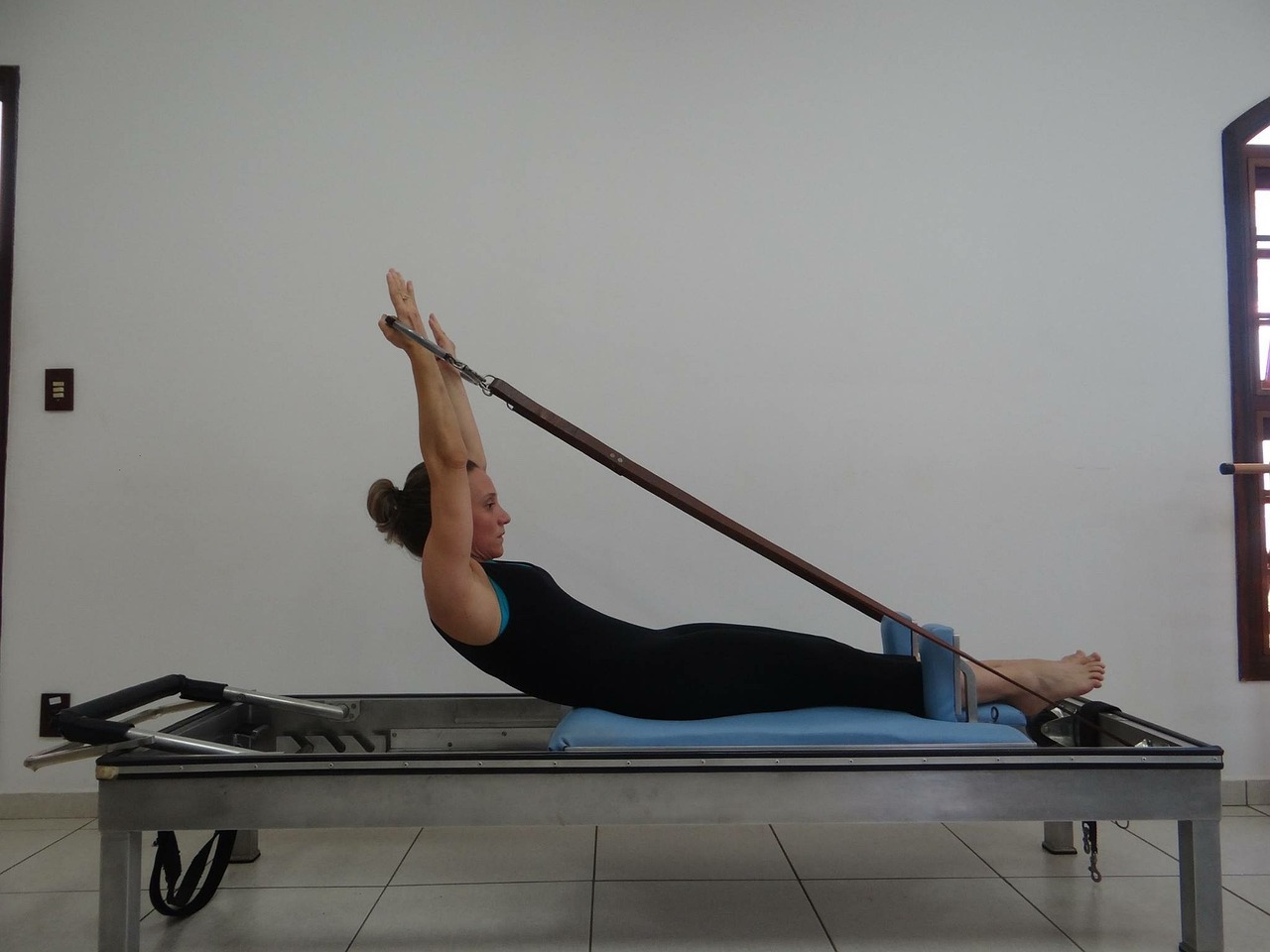
Posture-correcting devices promise a quick fix, but are they worth it? Let’s review three popular options based on recent insights and user feedback.
Upright GO 2
- What It Is: A small, wearable sensor that sticks to your upper back and vibrates when you slouch. It pairs with an app to track progress.
- Pros: Lightweight, discreet, and encourages mindful posture habits.
- Cons: Expensive (around $100), and long-term use may weaken natural muscle memory if over-relied upon.
- Verdict: Best for short-term use (15-30 minutes daily) alongside exercises, as recommended by physical therapists.
Back Brace Posture Corrector
- What It Is: A harness-like brace with straps that pull your shoulders back and support your spine.
- Pros: Affordable (often $20-$40), provides immediate alignment, and relieves mild pain.
- Cons: Can be bulky under clothing and may cause dependency if worn too long.
- Verdict: Useful for occasional support during desk work, but limit to 1-2 hours daily.
Ergonomic Lumbar Cushion
- What It Is: A contoured pillow that fits behind your lower back in a chair.
- Pros: Inexpensive ($15-$30), promotes natural spinal curvature, and is easy to use anywhere.
- Cons: Doesn’t address upper back or neck posture directly.
- Verdict: A great addition to your ergonomic setup for lower back pain relief.
Experts, including those from the Hospital for Special Surgery, suggest using these devices as training tools rather than permanent solutions. Pair them with exercises for the best results.
Additional Tips for Posture Success
Beyond ergonomics, stretches, exercises, and devices, these habits can enhance your posture correction journey:
- Stay Hydrated: Proper hydration keeps muscles and discs supple, reducing stiffness.
- Sleep Smart: Use a supportive pillow that keeps your neck aligned, and avoid stomach sleeping.
- Mind Your Posture: Check in with your body every hour—shoulders back, chin tucked, spine straight.
The Risks of Ignoring Poor Posture
Failing to address tech neck and lower back pain can lead to more than just discomfort. Over time, poor posture may cause:
- Chronic Pain: Persistent strain on muscles and joints.
- Reduced Mobility: Tightened muscles limit your range of motion.
- Spinal Issues: Increased risk of disc degeneration or herniation, per NIH research.
Taking action now can prevent these outcomes and improve your quality of life.
Final Thoughts: Take Control of Your Posture Today
Fixing tech neck and lower back pain doesn’t require drastic changes—just consistent, smart adjustments. Start with an ergonomic setup to minimize strain, incorporate daily stretches and exercises to build resilience, and consider posture-correcting devices as a helpful boost. With these steps, backed by science and practical know-how, you’ll stand taller, feel better, and protect your spine for years to come.
Ready to get started? Adjust your desk, try a chin tuck, or grab a lumbar cushion today. Your body will thank you!